
Thymulin
A zinc-dependent thymus hormone studied in immune research.
- Type
- Peptide
- Research area
- Bioregulator peptides
- Research stage
- Laboratory and animal research
- FDA status
- Not an FDA-approved medicine
About Thymulin
A zinc-dependent thymus hormone studied in immune research.
Where the research stands
Most published work on this compound comes from laboratory, animal or early human studies. Results in those settings don't always carry over to people, and long-term safety data are limited.
Read the studies
Educational information only; not medical advice. Talk to a licensed doctor before using any compound.
Common questions
Is Thymulin an FDA-approved medicine?
No. Thymulin is not an FDA-approved medicine. Research stage: Laboratory and animal research.
Does EKO Labs sell Thymulin?
No. EKO Labs does not sell Thymulin or any research compound. This library is for education only. EKO Labs offers FDA-approved prescription treatments only after a licensed doctor decides they are right for you.
Can people use Thymulin?
This page does not cover personal use. Products labeled "research use only" are not made or approved for people. Ask a licensed doctor before using any compound.
What is the molecular formula of Thymulin?
According to PubChem (U.S. National Library of Medicine), Thymulin has the molecular formula C33H54N12O15 and a molar mass of about 858.9 g/mol.
The molecule: Thymulin
Drag to rotate. Every atom and bond below comes from the public PubChem database of the U.S. National Institutes of Health; nothing is drawn by AI.
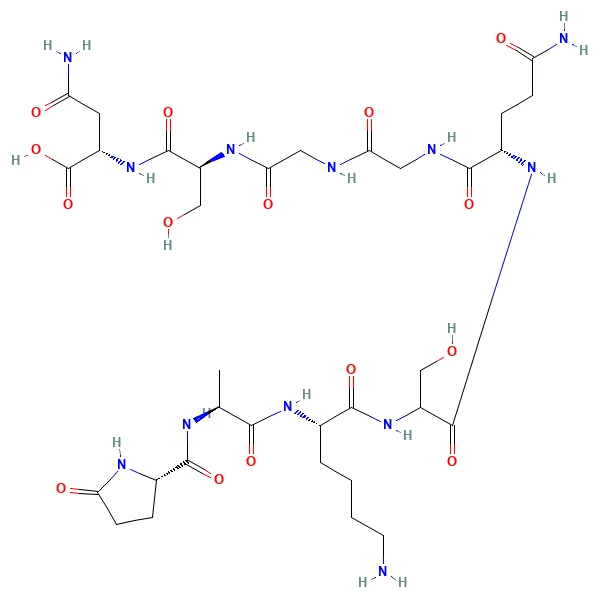
- Formula
- C33H54N12O15
- Molar mass
- 858.9 g/mol
- Heavy atoms
- 60
- PubChem CID
- 71300623 ↗
Source: PubChem, National Library of Medicine (public domain).
Related compounds
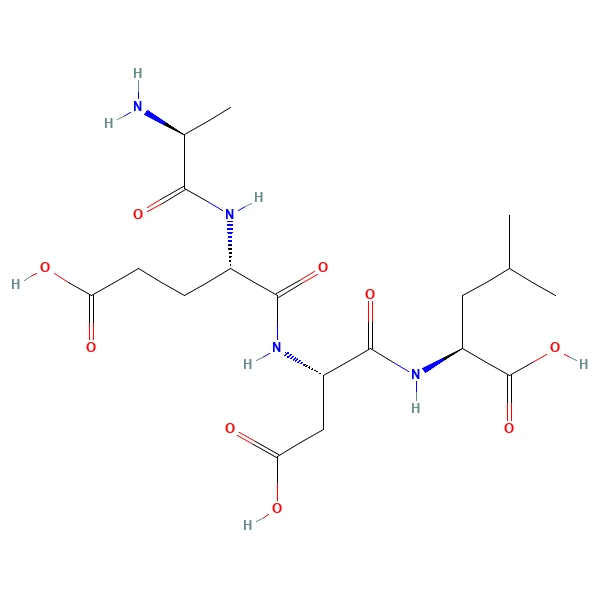 C18H30N4O9Bronchogen
Bronchogen
A short bioregulator peptide studied mostly in Russian laboratory research related to lung tissue.
 Cardiogen
A short bioregulator peptide studied mostly in Russian laboratory research related to heart tissue.
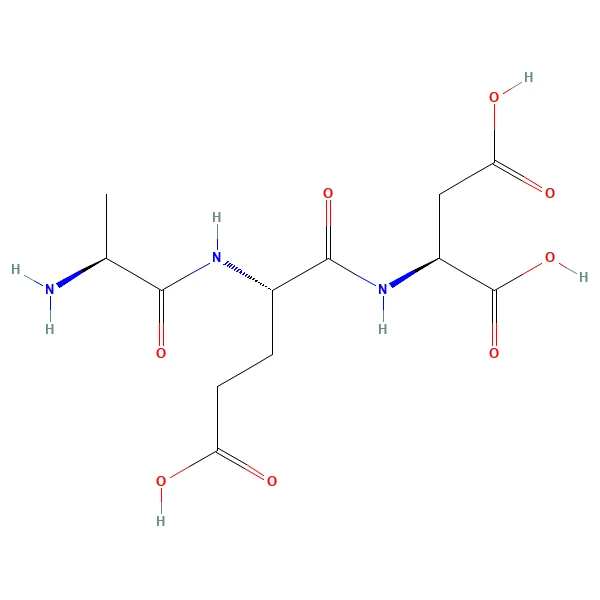 C12H19N3O8Cartalax
Cartalax
A short bioregulator peptide studied mostly in Russian laboratory research related to cartilage.