120 years of peptide science

How peptides changed medicine.

From the first hormone in 1902 to today's GLP-1 medicines, peptides went from a lab curiosity to some of the most important treatments in the world. Here is how it happened.

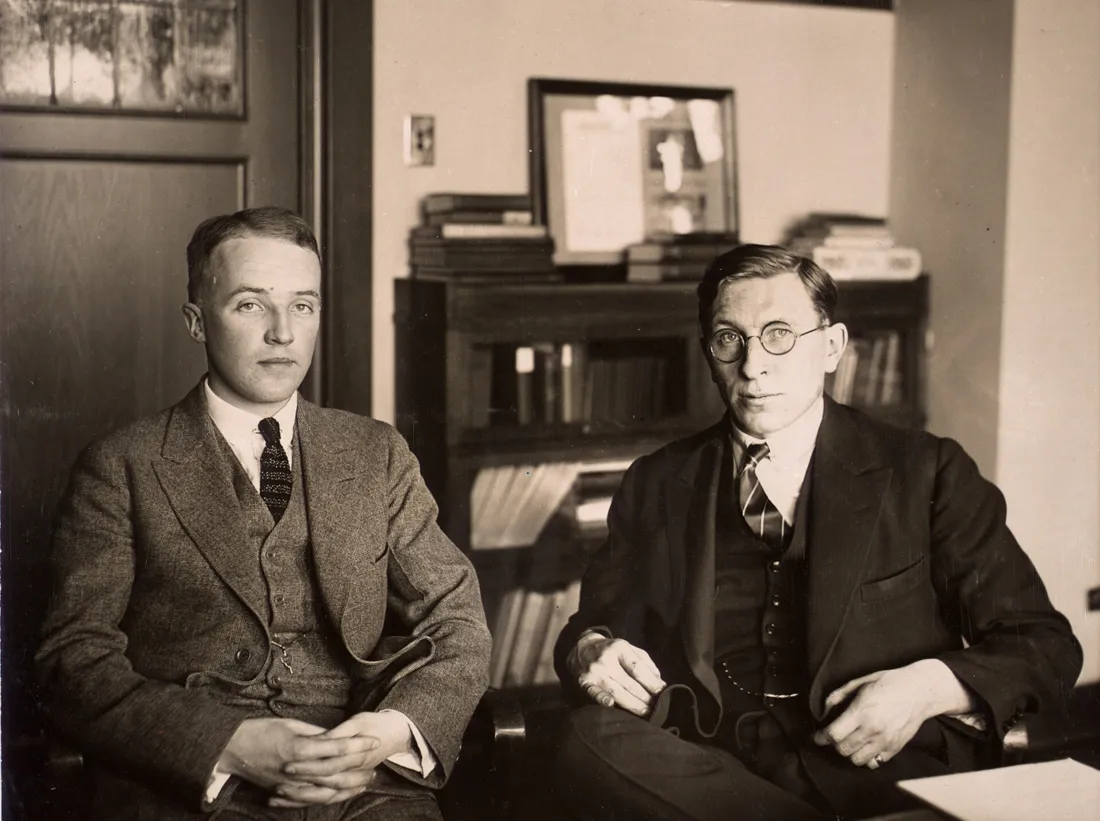
Charles Best and Frederick Banting, around 1924
0years since the first insulin patient
0peptide medicines approved worldwide
0Nobel Prizes on this timeline
0prescription treatments in our store
What is a peptide?

Short chains of amino acids that carry the body's messages.

Proteins are long chains of amino acids; peptides are short ones, usually under about 50. Many of the body's signals, like insulin, GLP-1 and oxytocin, are peptides. Because they fit their receptors precisely, peptide medicines can be very targeted.

1902

The first hormone is a peptide

In London, William Bayliss and Ernest Starling discover secretin, a small peptide that tells the pancreas to release digestive juices. It is the first hormone ever identified, and the word “hormone” is coined soon after.
The first hormone is a peptide
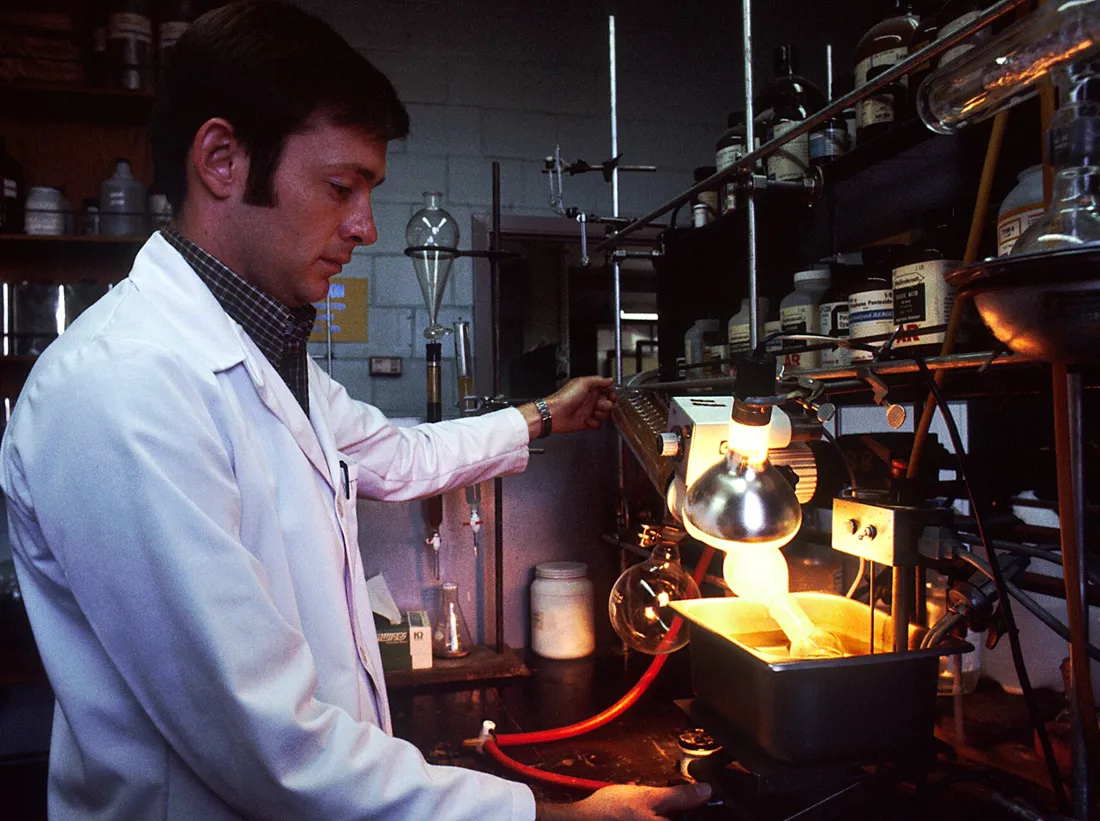
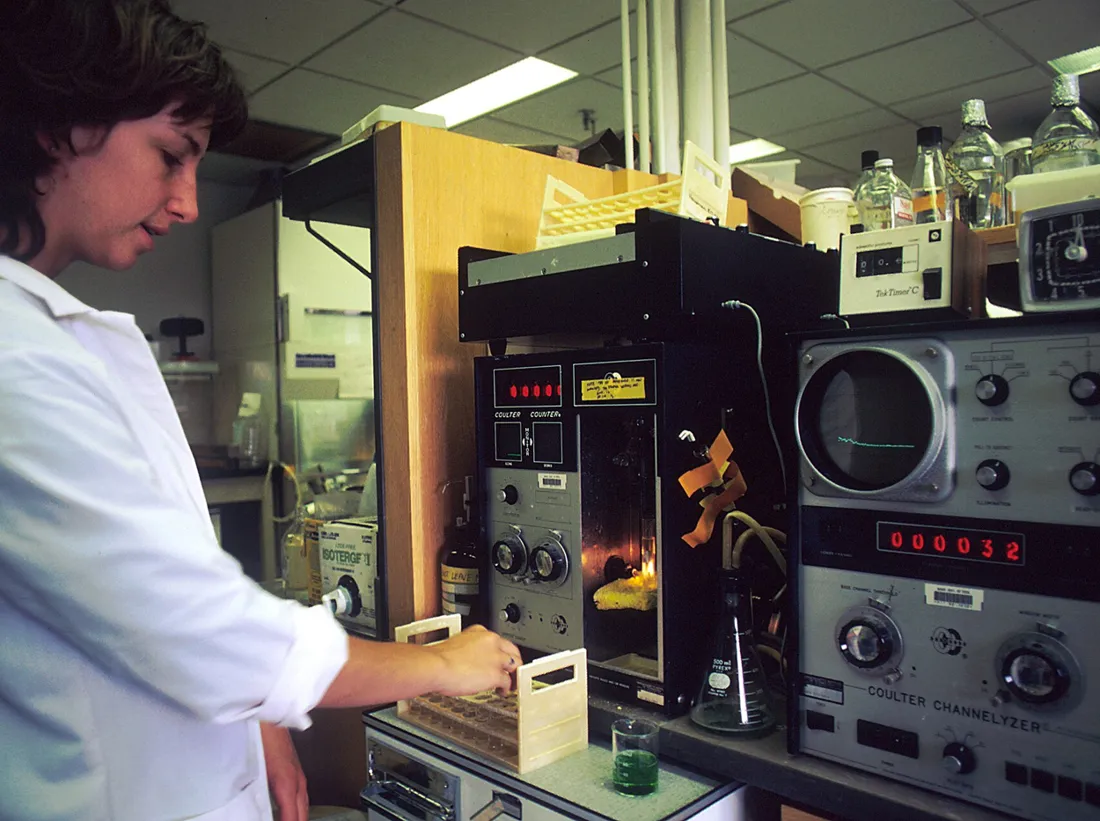
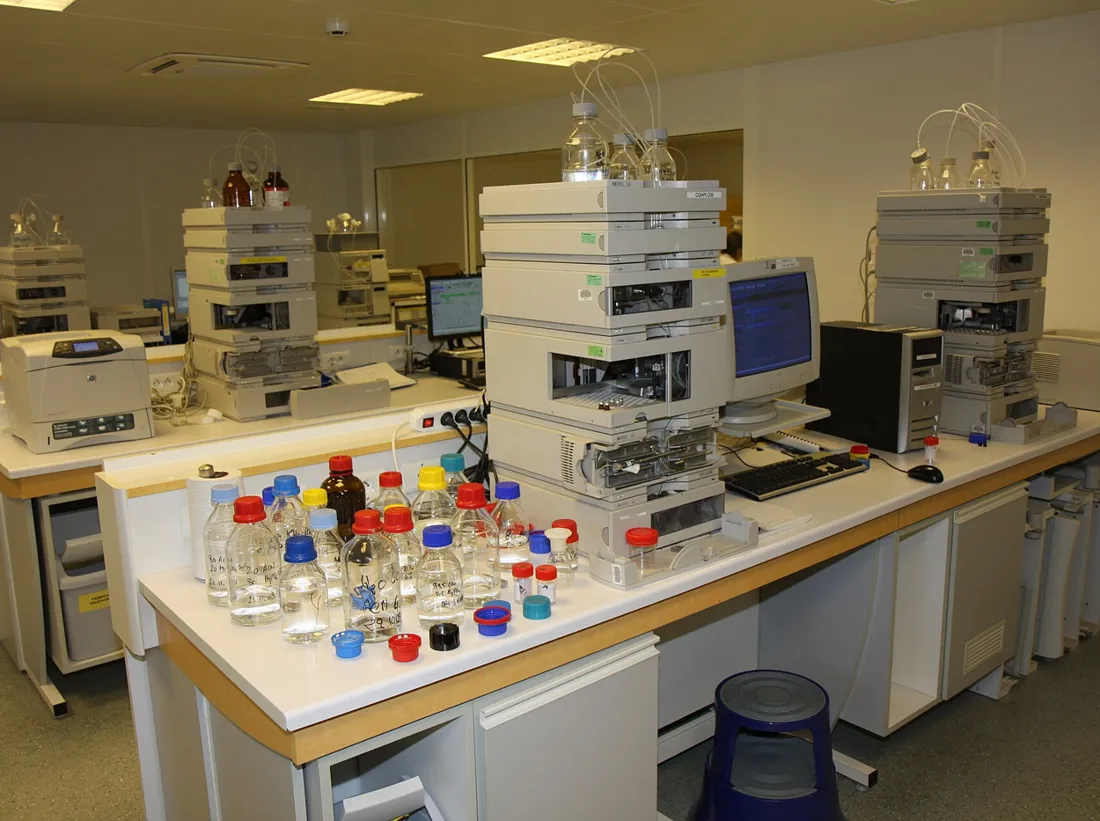
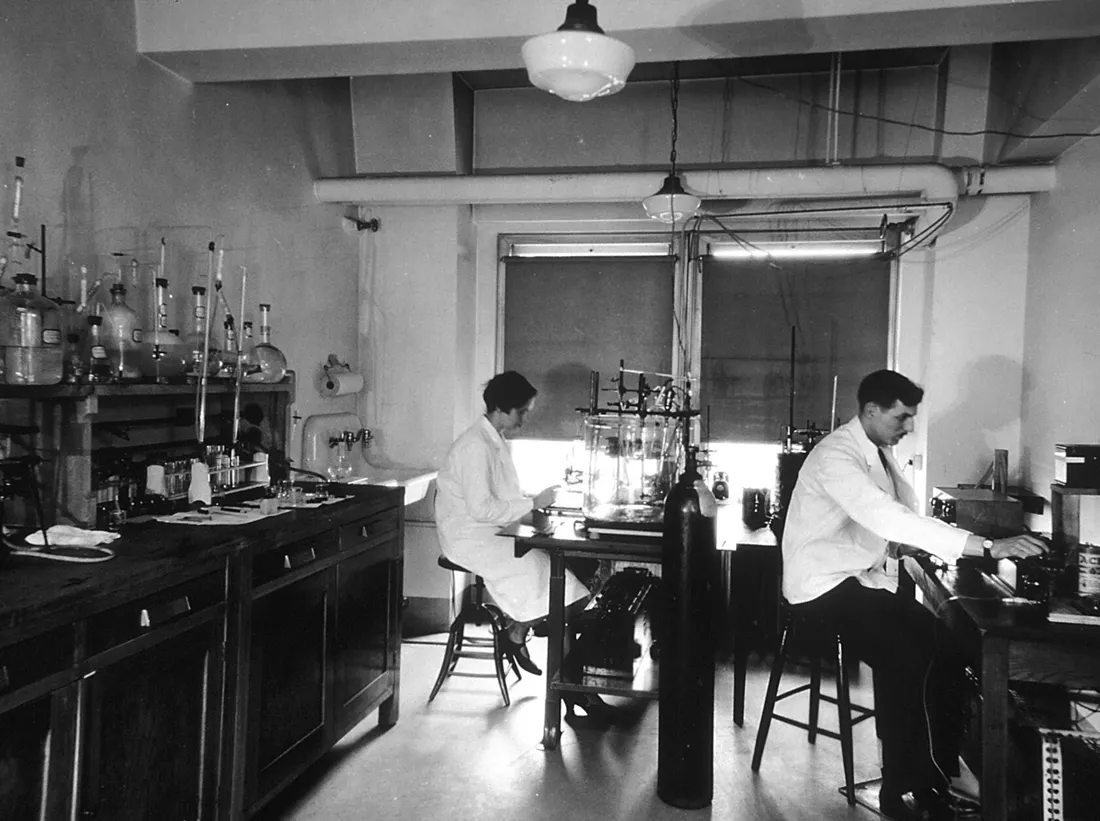
Chemical laboratory at the central cancer research labs
1921

Insulin is discovered

At the University of Toronto, Frederick Banting and Charles Best, working with John Macleod and James Collip, extract insulin, the peptide hormone that controls blood sugar.

Insulin is discovered
C. H. Best and F. G. Banting ca. 1924 Insulin P10103 0001
1922

The first patient

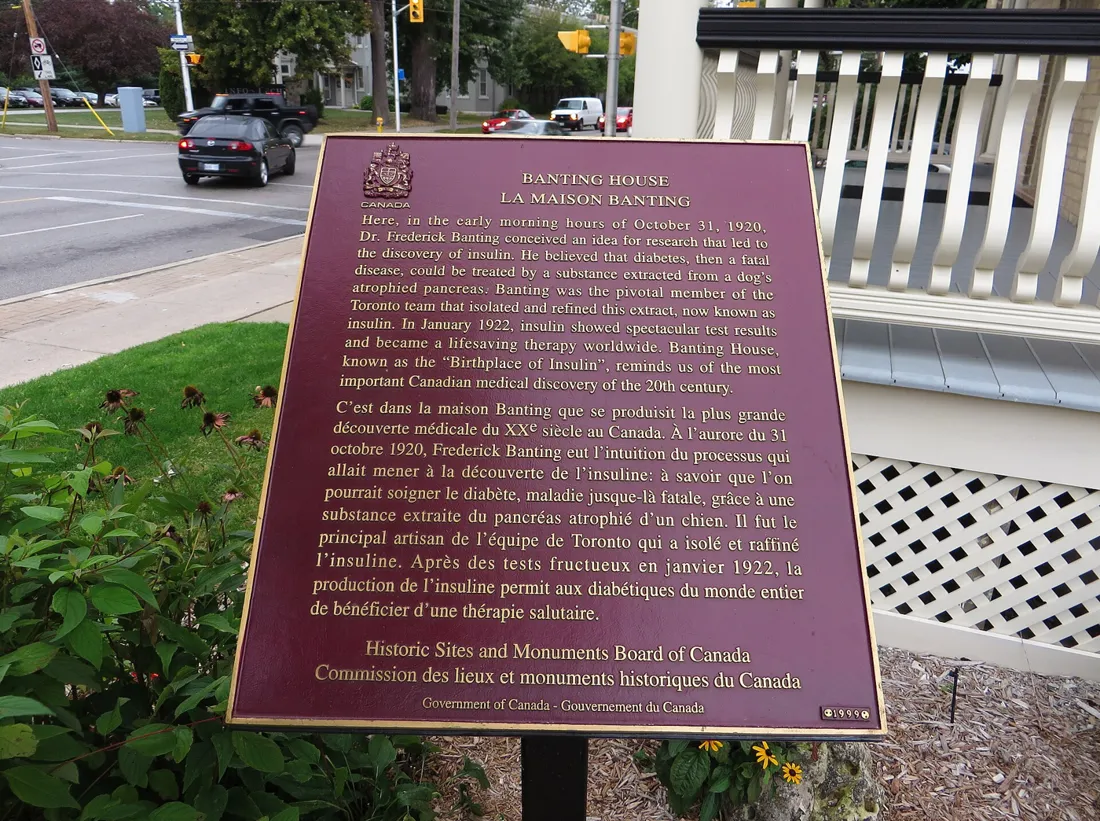
In January 1922, 14-year-old Leonard Thompson becomes the first person treated with insulin. Type 1 diabetes goes from a death sentence to a manageable condition.

The first patient
Banting House, Birthplace of Insulin, London, Ontario (21650793378)
1923

Peptide medicine reaches America

Eli Lilly and Company begins producing insulin at scale in the United States, and Banting and Macleod receive the Nobel Prize. Peptide medicine becomes an industry.

Peptide medicine reaches America
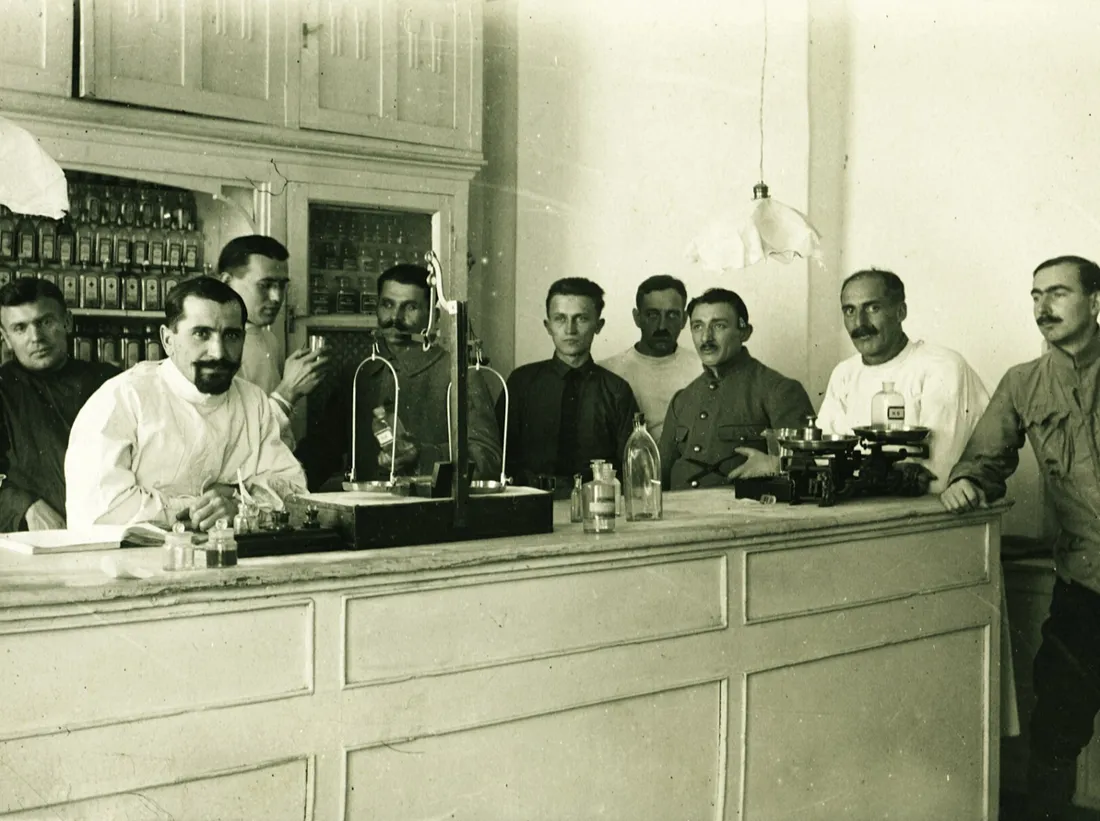
Scale, pharmacy, pharmacist, interior of a pharmacy Fortepan 85301
1953

Chemists build a hormone

Vincent du Vigneaud synthesizes oxytocin, the first peptide hormone ever made in a laboratory. He receives the Nobel Prize in Chemistry in 1955.

Chemists build a hormone
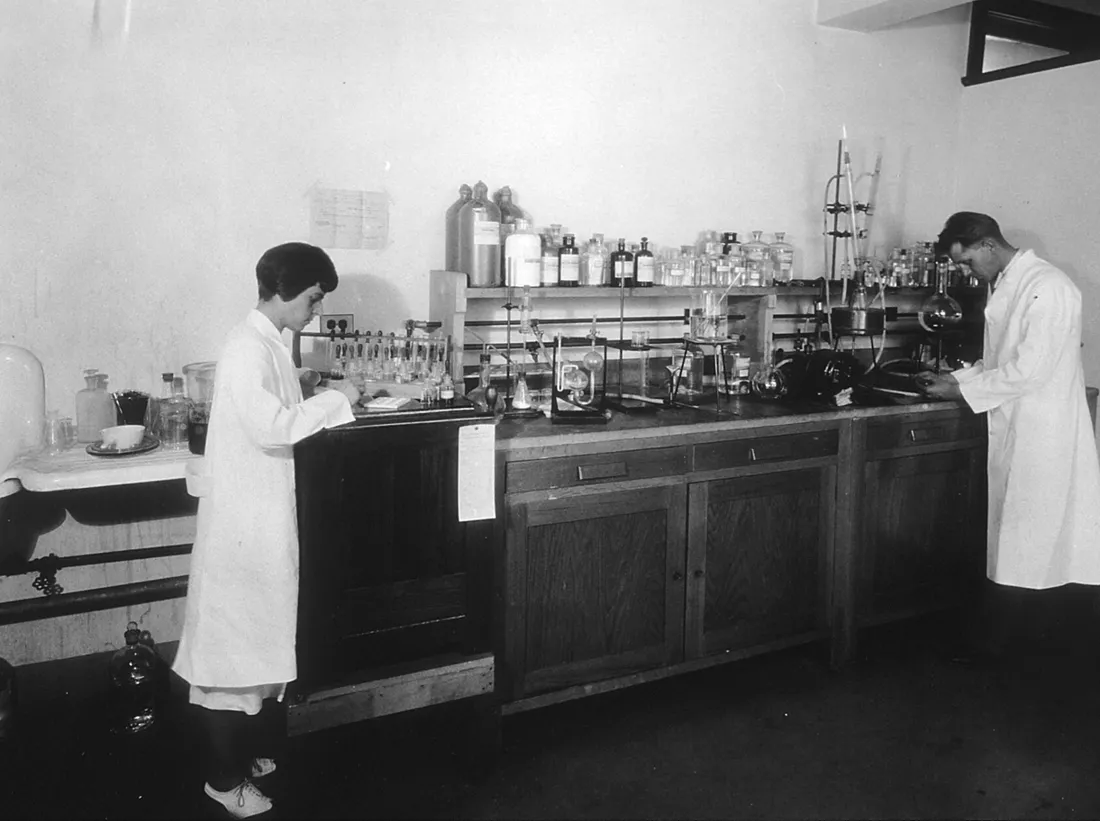
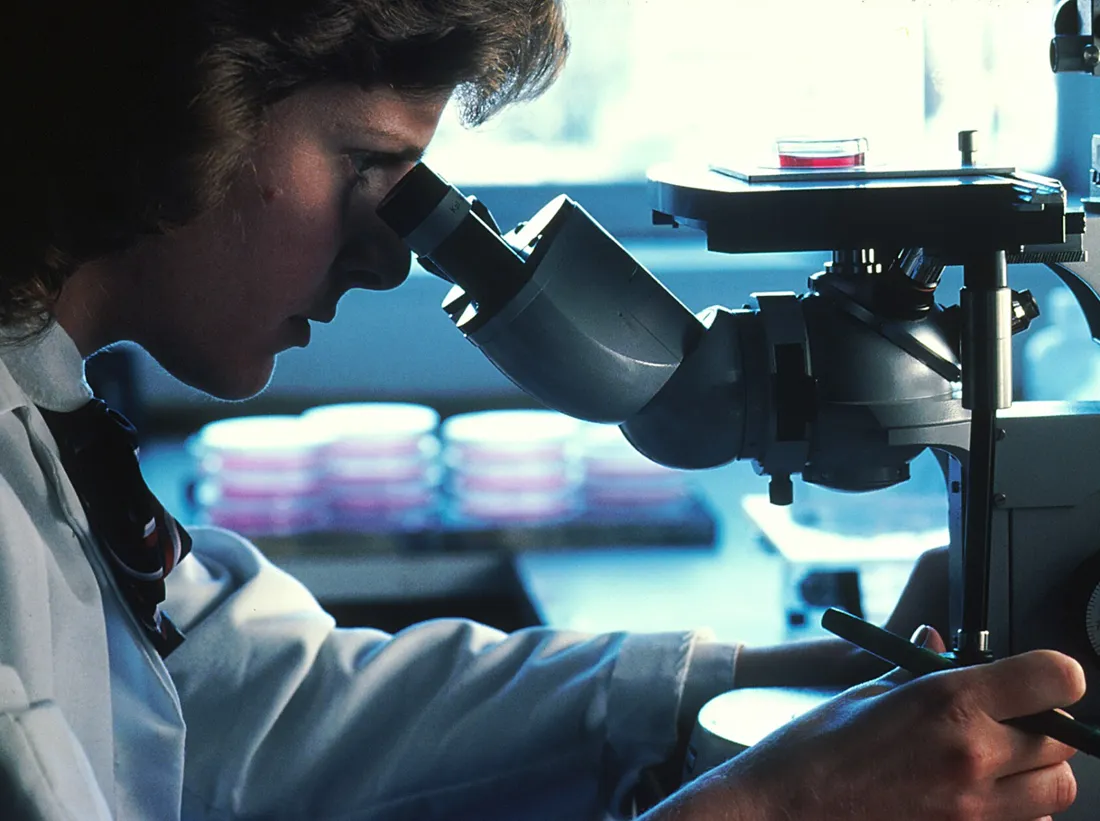
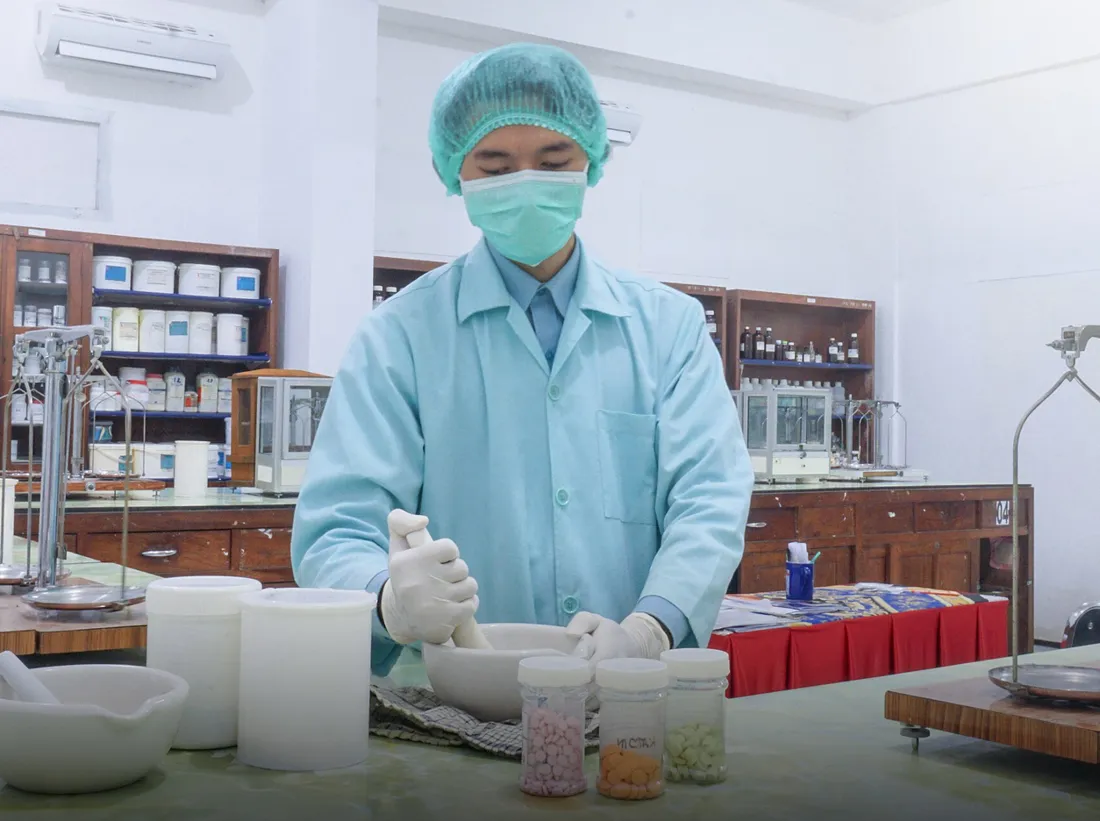
Sugar chemistry room- central cancer research laboratory
1955

Reading the code of a protein

Frederick Sanger works out the full amino-acid sequence of insulin, proving that every protein has a precise, readable structure. Nobel Prize, 1958.

Reading the code of a protein
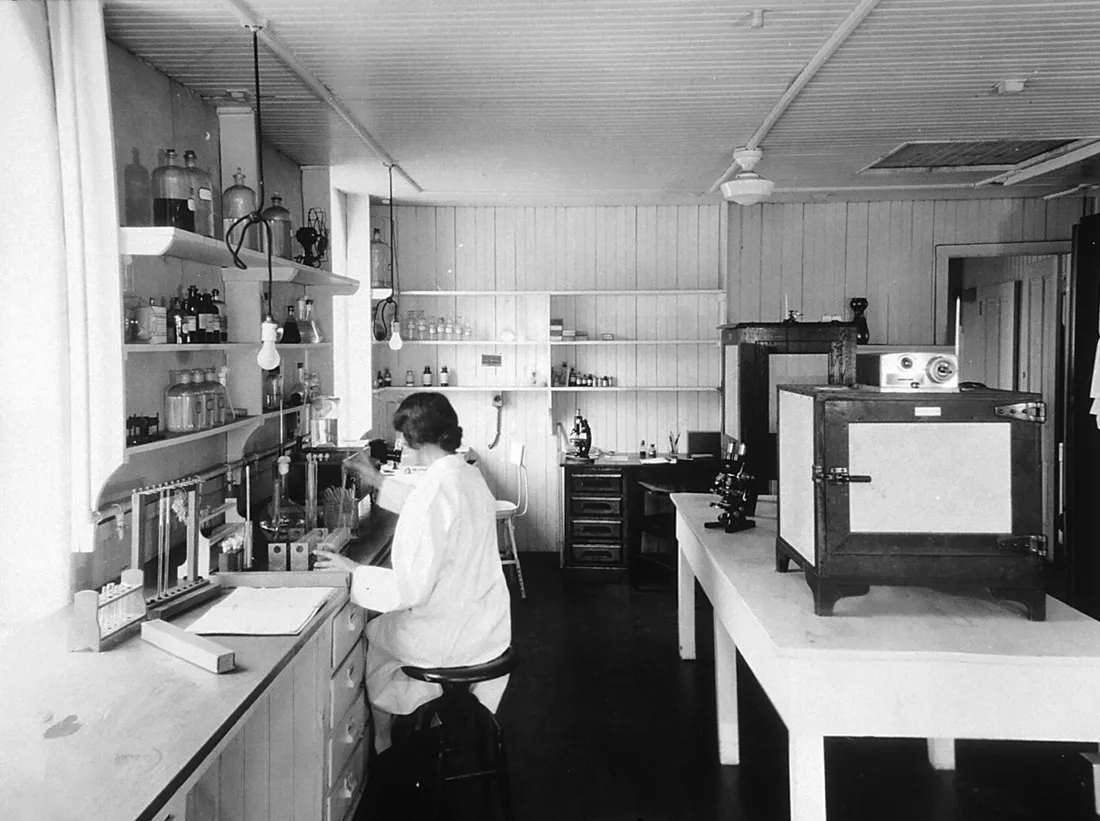
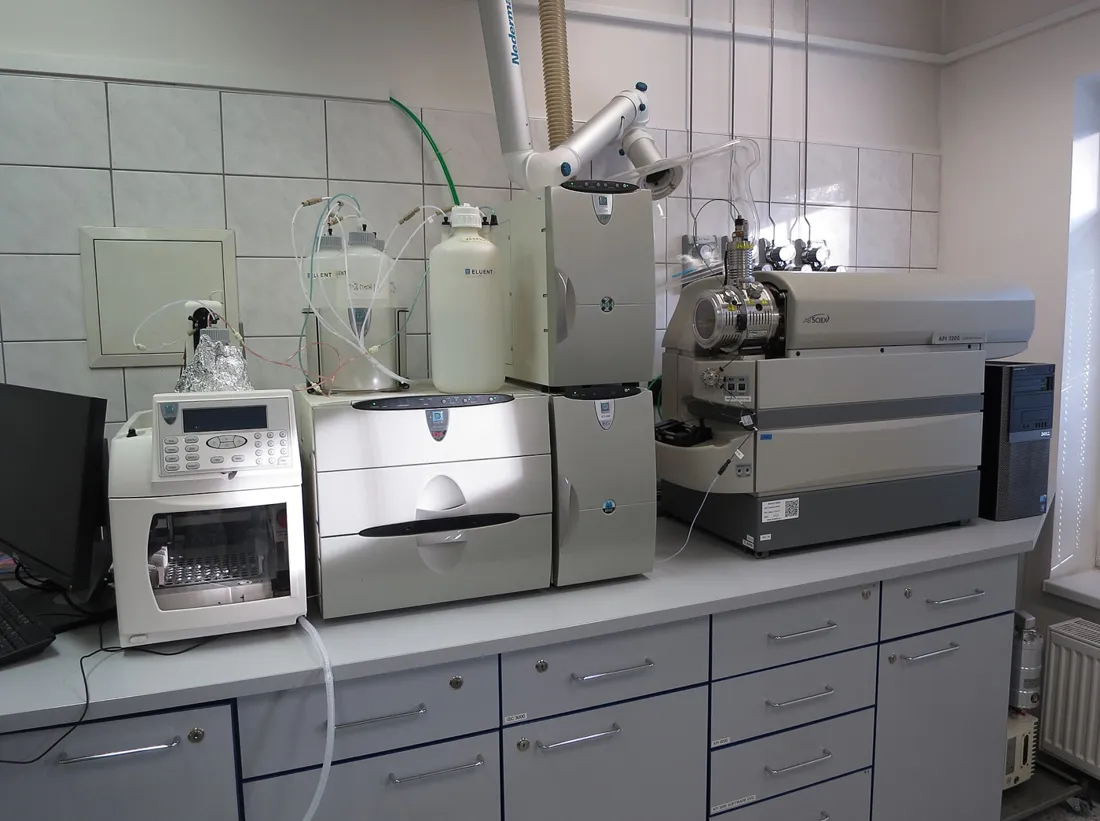
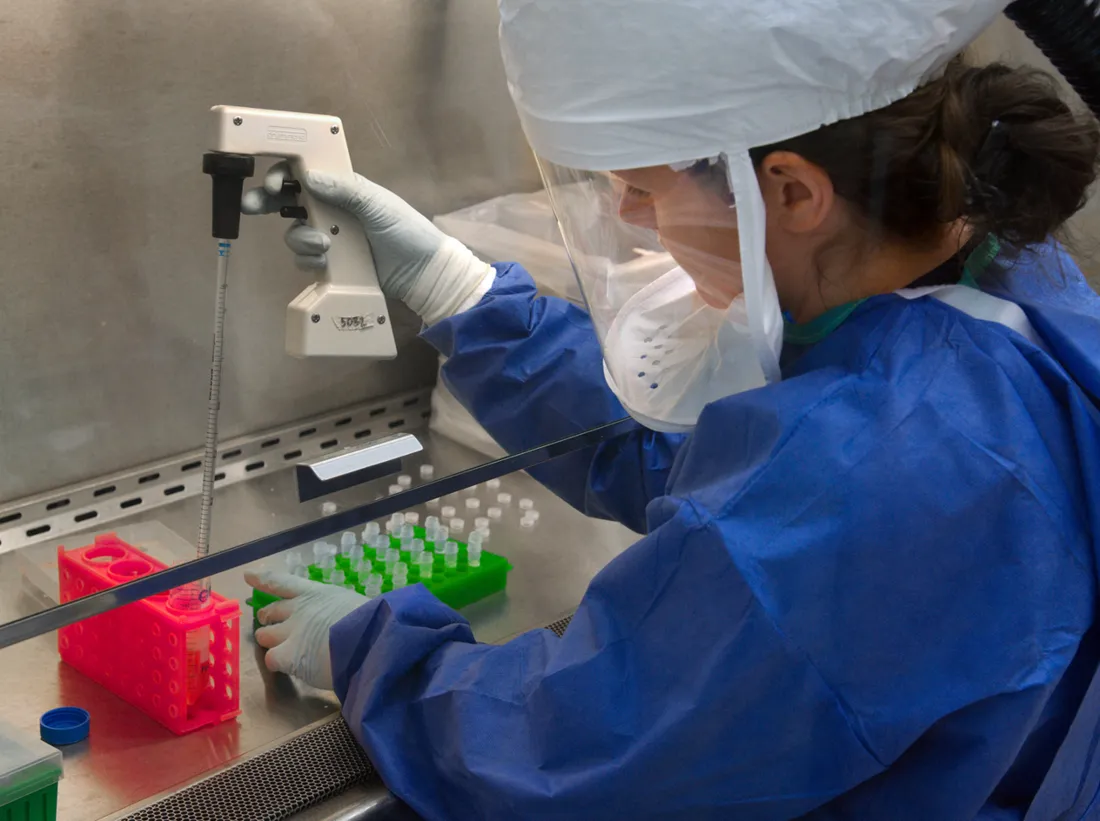
Immunology laboratory at the central cancer research labs
1963

Peptides, one building block at a time

Bruce Merrifield invents solid-phase peptide synthesis, building a peptide chain one amino acid at a time on a tiny resin bead. It is still how most peptides are made today. Nobel Prize, 1984.

Peptides, one building block at a time
1982

The first biotech medicine

The FDA approves human insulin made with recombinant DNA, the first medicine of its kind. Cells can now be programmed to produce peptide medicines.

The first biotech medicine
1984

GLP-1 is found

In the mid-1980s, researchers including Svetlana Mojsov, Joel Habener, Daniel Drucker and Jens Juul Holst identify GLP-1, a gut peptide that helps the body release insulin after a meal.

GLP-1 is found
1992

A clue from the Gila monster

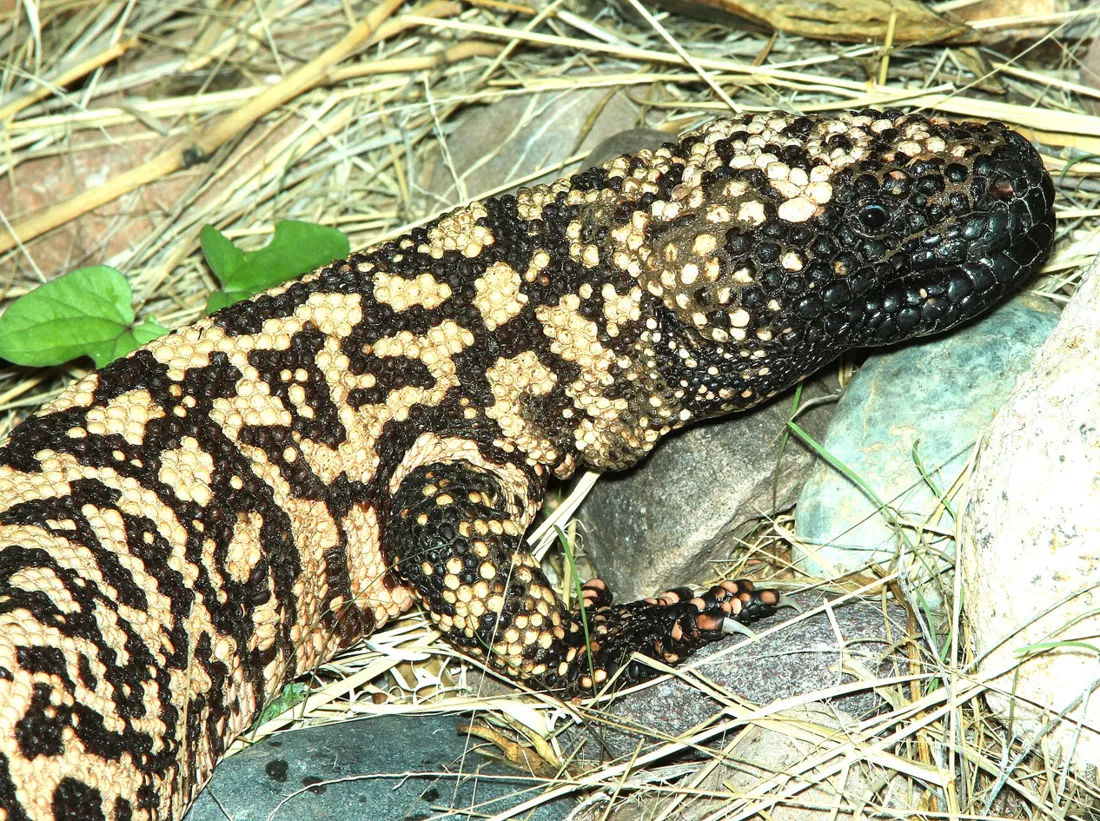
Dr. John Eng at the U.S. Department of Veterans Affairs discovers exendin-4 in Gila monster venom. It works like GLP-1 but lasts much longer in the body.

A clue from the Gila monster
RETICULATE GILA MONSTER (Heloderma suspectum) 78 circulo montana, patagonia lake ranch est
2005

The first GLP-1 medicine

The FDA approves exenatide, based on exendin-4, for type 2 diabetes. A new class of medicines is born.

The first GLP-1 medicine
2010

Longer-lasting peptides

Liraglutide (2010), dulaglutide (2014) and semaglutide (2017) are approved, each lasting longer than the last. Tesamorelin is also approved in 2010.

Longer-lasting peptides
2019

New peptide options

Bremelanotide is approved for hypoactive sexual desire disorder in premenopausal women, and the first oral GLP-1 tablet reaches pharmacies.

New peptide options
2022

Two hormones in one molecule

Tirzepatide becomes the first medicine that acts on both GIP and GLP-1 receptors, approved for type 2 diabetes in 2022 and for weight management in 2023.

Two hormones in one molecule
2024

Science's top honors

Joel Habener, Svetlana Mojsov and Lotte Bjerre Knudsen receive the Lasker Award for the discovery and development of GLP-1 medicines.

Science's top honors
Watch & learn

Watch the story

Independent videos from doctors, hospitals and health educators on YouTube. They are for general education; your doctor gives the instructions for your treatment.

Explainer

How do drugs like Ozempic work?

STAT · YouTube
Explainer

Gila Monsters to GLP-1 Drugs & Fungi to Statins | Sean B. Carroll

NOVA PBS Official · YouTube
Explainer

The Discovery of Insulin

nature video · YouTube
Explainer

What did dogs teach humans about diabetes? - Duncan C. Ferguson

TED-Ed · YouTube
Explainer

Proteins & Amino Acids | Biochemistry

Dr Matt & Dr Mike · YouTube
Explainer

Protein Structure and Folding

Amoeba Sisters · YouTube

Today's peptide medicines

See the prescription treatments our doctors can prescribe.

Visit the store →

Tomorrow's research

Explore the peptides scientists are studying now.

Research library →

Talk to a real person today.

No forms, no checkout. Message us on WhatsApp or call, and our team will guide you through the next step.