Updated 2026-10-05 · Reviewed for accuracy by the EKO Labs team. Educational only; not medical advice.
GLP-1GLP-1 (glucagon-like peptide-1) a hormone the gut releases after eating. It helps release insulin, slows stomach emptying and signals fullness. injections are temperature-sensitive medicines. Storing them the way the labelPrescribing information (label) the official FDA document for a medicine, with its uses, warnings and side effects. says helps make sure the medicine works as expected. These tips are general; the storage section of your own label or Instructions for Use always comes first.
Before first use: usually the refrigerator
Brand-name GLP-1 pens are generally kept in the refrigerator, at 36°F to 46°F (2°C to 8°C), until you start using them. Keep them in the original carton to protect them from light, and away from the freezer compartment and the back wall of the fridge, where items can freeze.
After first use: the rules differ by product
Each medicine has its own limits for how long it can stay out of the fridge and at what temperature. For example, the FDA label for the Ozempic® pen says that after first use it can be stored for 56 days at room temperature, 59°F to 86°F (15°C to 30°C), or in the refrigerator. Other products allow a different number of days, so check the label of the exact medicine you were prescribed and write down the date you took it out of the fridge.
Never freeze, avoid heat
- Do not use a GLP-1 medicine that has been frozen, even if it has thawed.
- Do not leave it in a hot car, in direct sun or near a heater.
- Do not use it if it looks cloudy, discolored or has particles, unless the label says that appearance is normal.
- Do not use it after the expiration date or after the in-use period on the label ends.
Compounded medicines
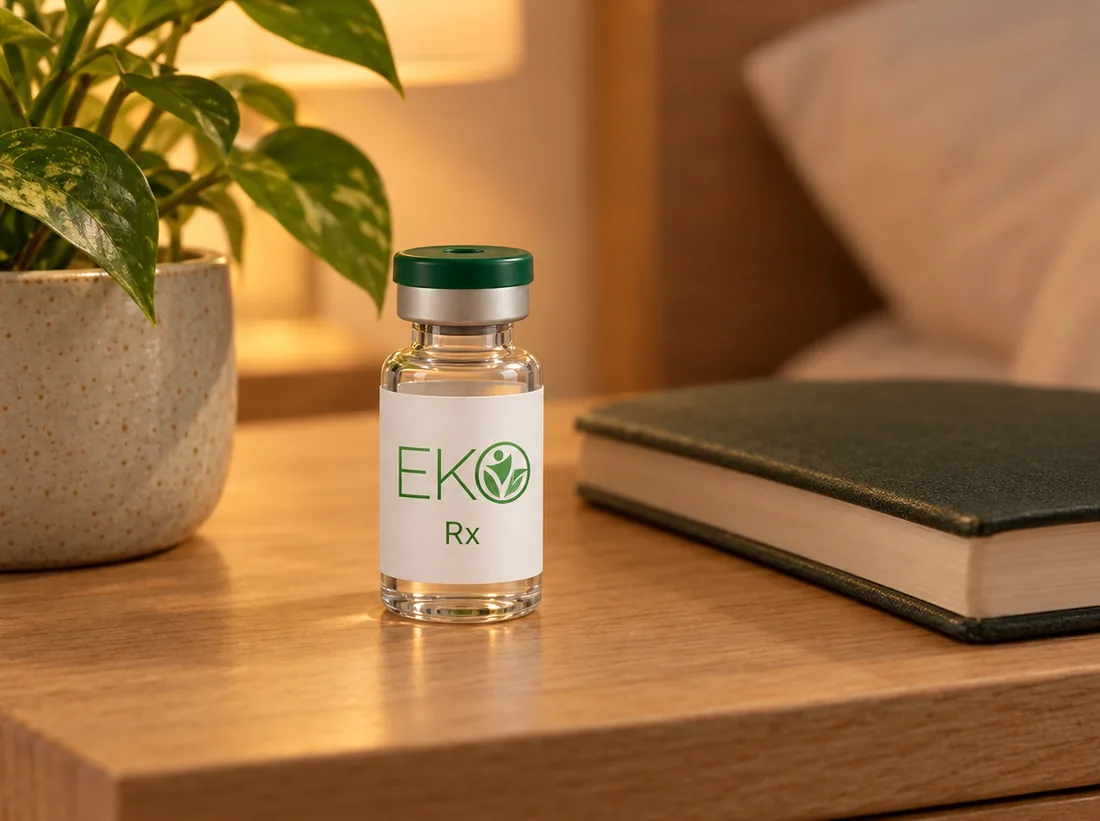
A compounded medicineCompounded medicine a version prepared by a licensed pharmacy for a specific patient's prescription. It is not itself FDA-approved. has no FDA label. Follow the storage instructions and beyond-use date printed by the pharmacy that prepared it, and ask the pharmacist if anything is unclear.
Flying in the U.S.
- Keep your medicine in your carry-on bag, not in checked luggage, where it can be lost or exposed to very low temperatures.
- TSA allows medically necessary liquids and injectable medicines in carry-on bags, including amounts over 3.4 oz (100 ml), and unused syringes or pen needles when they travel with the medicine. Tell the TSA officer at the start of screening.
- Ice packs or gel packs used to keep medicine cool are allowed through screening. Do not let the medicine touch ice directly.
- Keep the pharmacy label on the carton; it helps if anyone asks what it is.
Traveling abroad
The CDC recommends keeping medicines in their original labeled containers, packing them in your carry-on, and carrying a list of your medicines with their generic names. Rules for bringing medicines into another country vary, so check with that country's embassy before you go, including any country where you change planes. Do not mail medicines internationally.
Time zones and missed doses
If a long trip changes your schedule, ask your doctor or pharmacist before you leave how to handle your dose days. If you miss a dose, follow the instructions on your label or call your doctor or pharmacist. EKO Labs does not publish dosing instructions.
Questions to ask your pharmacist
- How long can my medicine stay out of the refrigerator, and at what temperature?
- What should I do if it was frozen or got too hot?
- Can you give me a printed list of my medicines for travel?
Sources: FDA prescribing information for Ozempic® (section 16, storage and handling); TSA screening rules for medications and medically necessary liquids; CDC Yellow Book, traveling with medications. This guide is general information, not medical advice.
Talk to our team. A licensed doctor makes every medical decision.