Updated 2026-10-13 · Reviewed for accuracy by the EKO Labs team. Educational only; not medical advice.
Many people in the U.S. get their prescriptions delivered instead of picking them up: from a mail-order pharmacy linked to their health plan, from a specialty pharmacy, or from a local or online pharmacy that ships. This guide explains how mail-order pharmacies work, what federal mailing rules say, how insurance usually handles mail order, and how to protect medicines that must stay cold. It is general information, not legal or medical advice.
What a mail-order pharmacy is
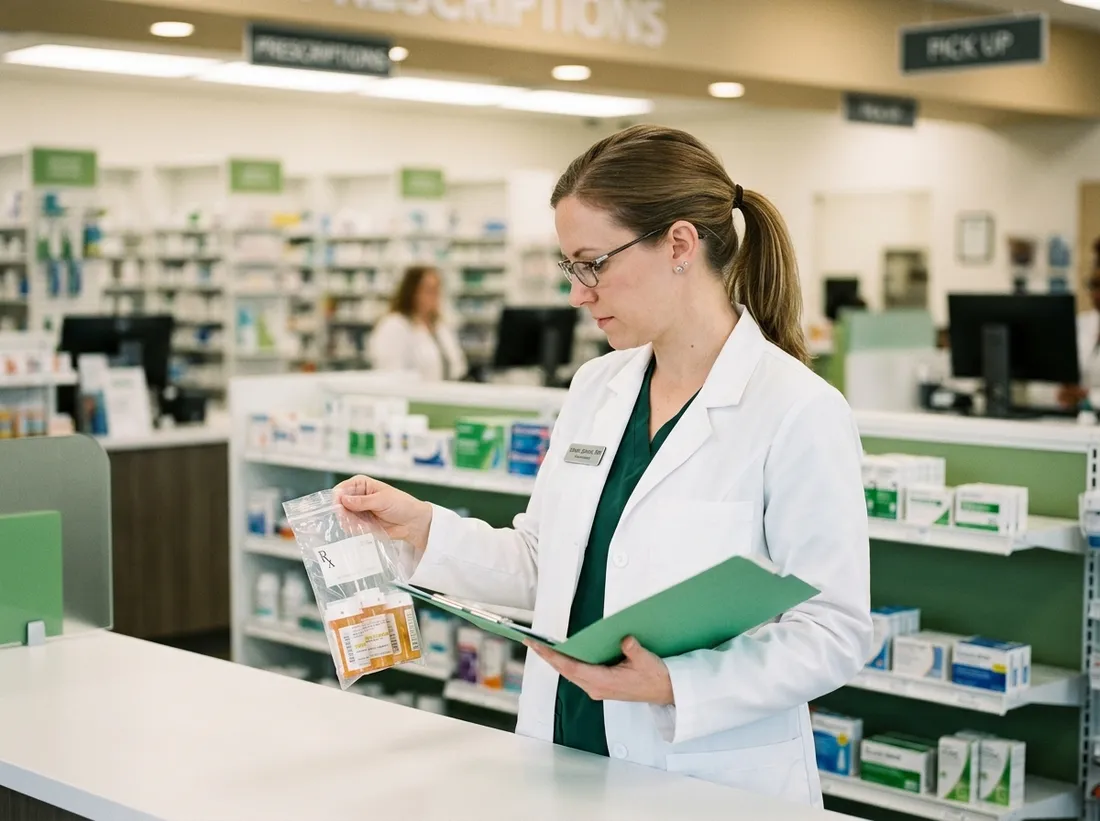
- A licensed pharmacy that fills your prescription and ships it to your home instead of handing it over at a counter.
- Plan mail-order pharmacies often handle long-term (maintenance) medicines and may offer 90-day supplies.
- Specialty pharmacies handle medicines that need special storage, handling or monitoring, such as many injectable medicines.
- The basics are the same as at any pharmacy: a valid prescription from a licensed prescriber, a licensed pharmacist who checks it, and a pharmacist you can call with questions.
Who is allowed to mail prescription medicines
- Under U.S. Postal Service rules, only pharmacists, medical practitioners or other authorized dispensers may mail non-controlled prescription medicines to patients under their care (USPS Publication 52, section 453.32). Do not mail your prescription medicines to another person; ask your pharmacy or prescriber instead.
- Controlled substances (for example, many pain medicines and stimulants) may be mailed only under stricter conditions, such as by DEA-registered dispensers, with the inner package labeled with the prescription number and the pharmacy's name and address (sections 453.31 and 453.4).
- Mailed medicines must travel in a plain outer wrapper or packaging (section 453.4), so the outside of the box should not show what is inside.
- A pharmacy that ships medicines to you usually must be licensed in the state where you receive them. FDA advises checking a pharmacy's license with your state board of pharmacy before you order.
Insurance and mail order
- Many health plans have a preferred mail-order pharmacy and may offer different cost sharing or longer supplies there. Some plans encourage or require mail order for long-term medicines. Check your plan documents or call member services.
- Medicare drug plans (Part D) may include mail-order pharmacies in their network, but they must also let you get covered drugs, which may include a 90-day supply, at any of their network retail pharmacies. The plan may charge you higher cost sharing at the retail pharmacy than at its mail-order pharmacy (42 CFR 423.120(a)(3) and (a)(10)).
- Some plans require certain specialty medicines to come from a specific specialty pharmacy. Ask before you move a prescription.
- Networks can change every year. During Medicare Open Enrollment (October 15 to December 7) or your employer plan's enrollment, check that your mail-order pharmacy will still be in network.
How to set it up
- Ask your plan which mail-order or specialty pharmacy is in network and what you will pay there.
- Ask your prescriber to send a new prescription to that pharmacy, or ask the pharmacy to transfer an existing one.
- Give the pharmacy your shipping address, a phone number, your allergies and a list of all your medicines and supplements.
- Ask how long the first shipment takes. Make sure you have enough medicine until it arrives, and ask what to do if it is late.
- Ask whether automatic refills are turned on, how you will be notified before each shipment and how to stop or change them.
Medicines that must stay cold
Some medicines, including GLP-1GLP-1 (glucagon-like peptide-1) a hormone the gut releases after eating. It helps release insulin, slows stomach emptying and signals fullness. injections, insulinInsulin the hormone that moves sugar from the blood into the body's cells. and many specialty medicines, must be kept in the refrigerator before first use. Ask the pharmacy how it packs them (for example, an insulated box with cold packs), which days it ships, whether someone must sign for the package and what to do if nobody is home.
- Bring the package inside as soon as it arrives, open it right away and store the medicine as the labelPrescribing information (label) the official FDA document for a medicine, with its uses, warnings and side effects. says.
- Call the pharmacy before using the medicine if the package is damaged, the delivery was much later than planned, the medicine is warm when it should be cold, or it looks frozen. Do not use a GLP-1 medicine that has been frozen, even if it has thawed.
- Check the label: your name, the medicine name and strength, the expiration date and an unbroken seal. If your medicine has a Medication Guide, it should be in the package.
Privacy and package safety
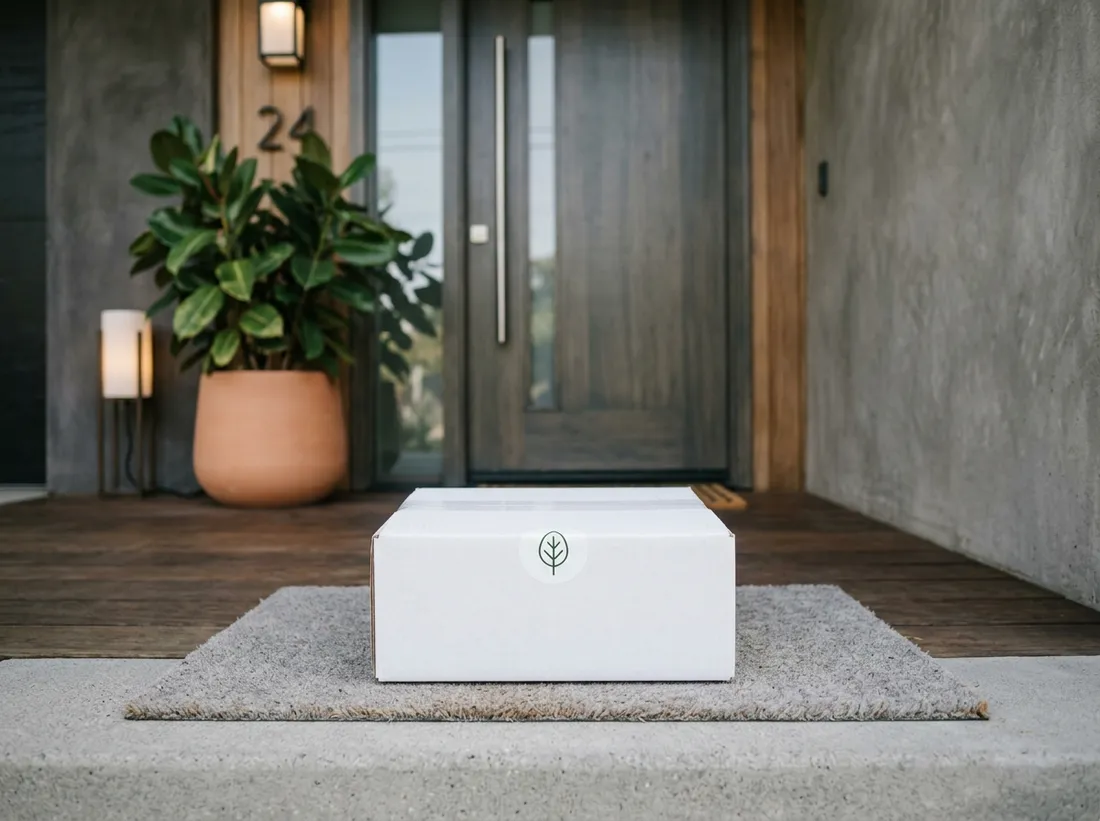
- Use package tracking and choose a safe delivery spot or a pickup location if packages are often left outside.
- If a package is missing, stolen or damaged, contact the pharmacy promptly; do not wait until you run out.
- Be careful with texts or emails about a "delivery problem" that ask for payment or personal information. Call the pharmacy using the phone number on your prescription label instead of the link in the message.
Warning signs
Be careful with any website that sells prescription medicines without a valid prescription, has no U.S. address or phone number, has no licensed pharmacist you can talk to, or sends medicine in unusual, damaged or foreign-language packaging. Report problems with medicines to FDA MedWatch.
Questions to ask a mail-order pharmacy
- Are you licensed in my state, and are you in my plan's network?
- How long does shipping take, and what happens if a shipment is late or lost?
- How do you ship medicines that must stay cold, and on which days?
- Are automatic refills on, and how do I stop or change them?
- How can I reach a pharmacist with questions, and in which languages?
At EKO Labs, our team can answer your questions in Portuguese or English by phone.
Sources: U.S. Postal Service, Publication 52, Hazardous, Restricted, and Perishable Mail, section 453, Controlled Substances and Drugs (453.31, 453.32 and 453.4; consulted October 2026); 42 CFR 423.120(a)(3) and (a)(10) (Medicare Part D access to non-retail pharmacies and level playing field between mail-order and retail pharmacies); U.S. Food and Drug Administration, BeSafeRx: “Considering an Online Pharmacy?”; FDA prescribing information for Ozempic® (section 16, storage and handling). This guide is general information, not legal or medical advice. Rules can change; check with your plan and pharmacy.
Talk to our team. A licensed doctor makes every medical decision.