
Real science · real images
How a peptide goes from an idea to a medicine.
Real laboratory photographs, real molecular structures from the U.S. National Institutes of Health, and real videos from universities, Nobel laureates and research institutes.
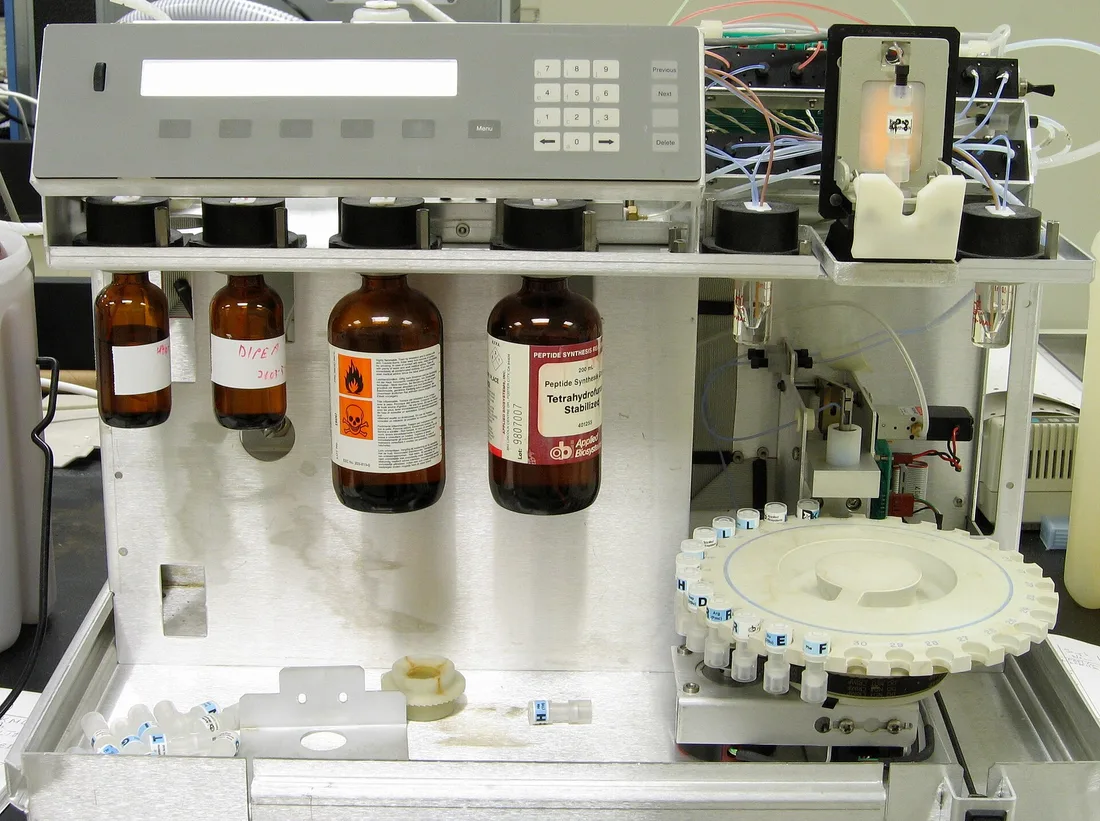
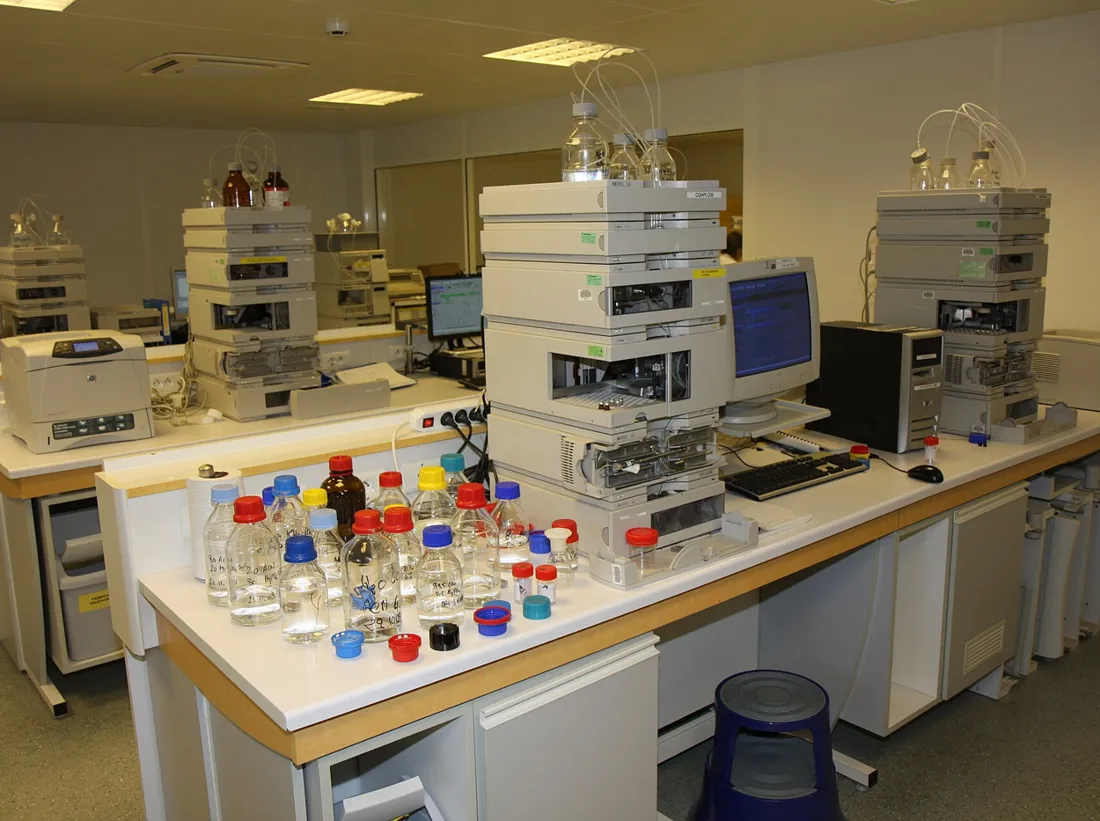
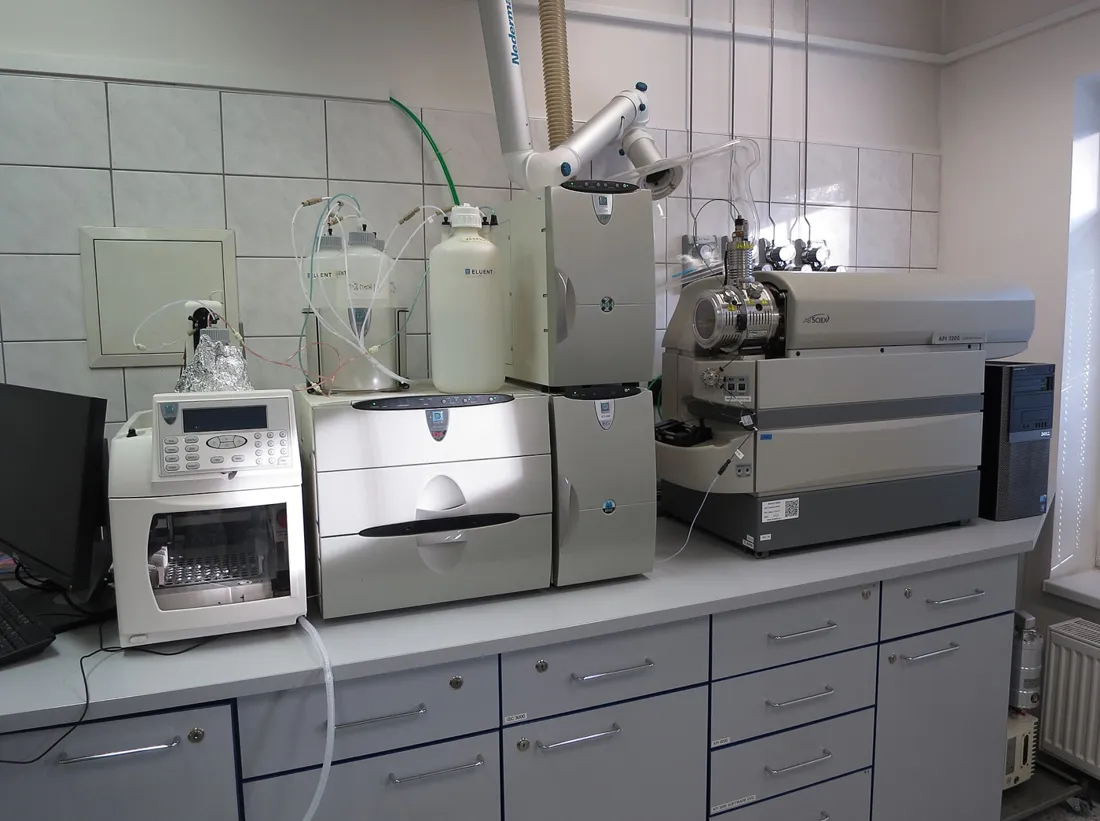
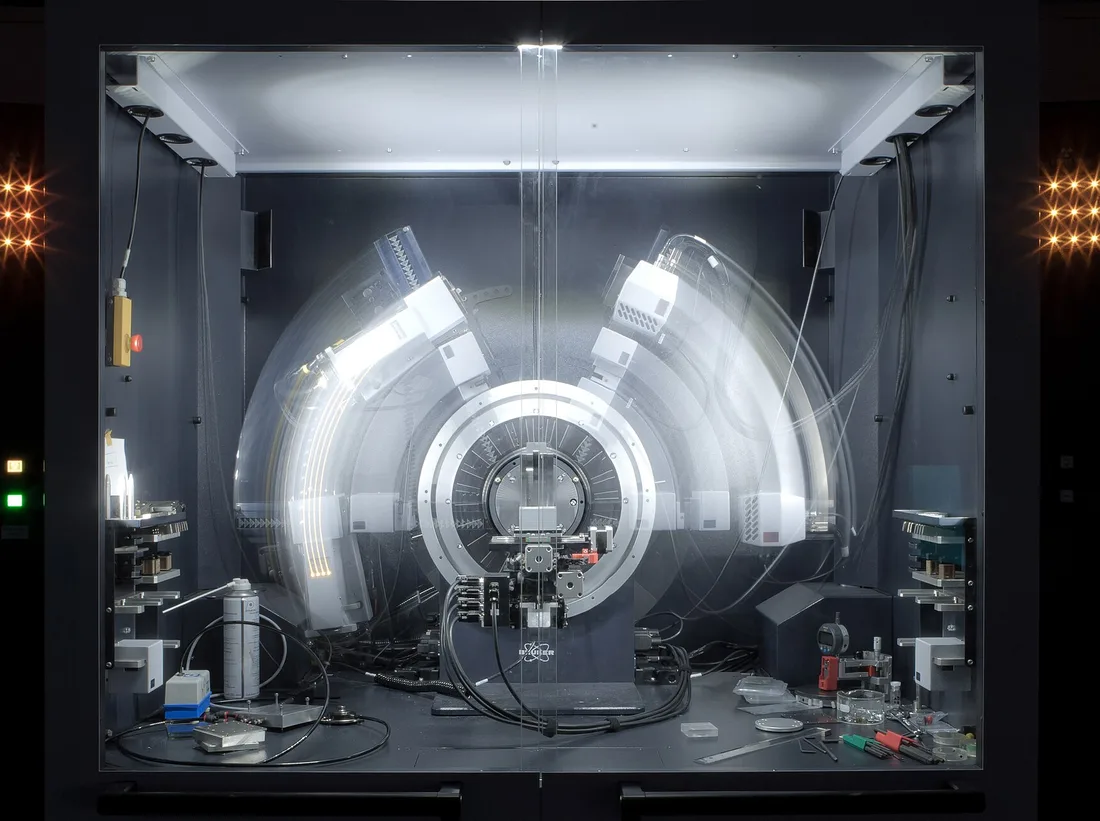
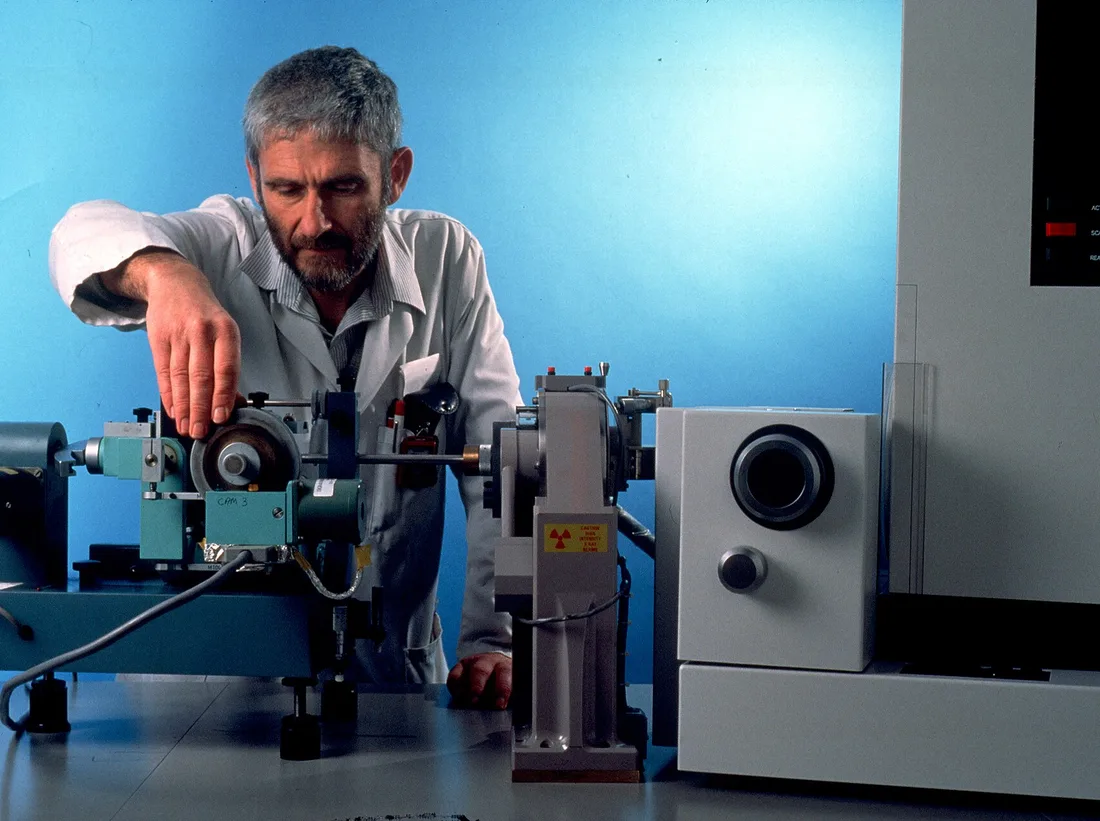
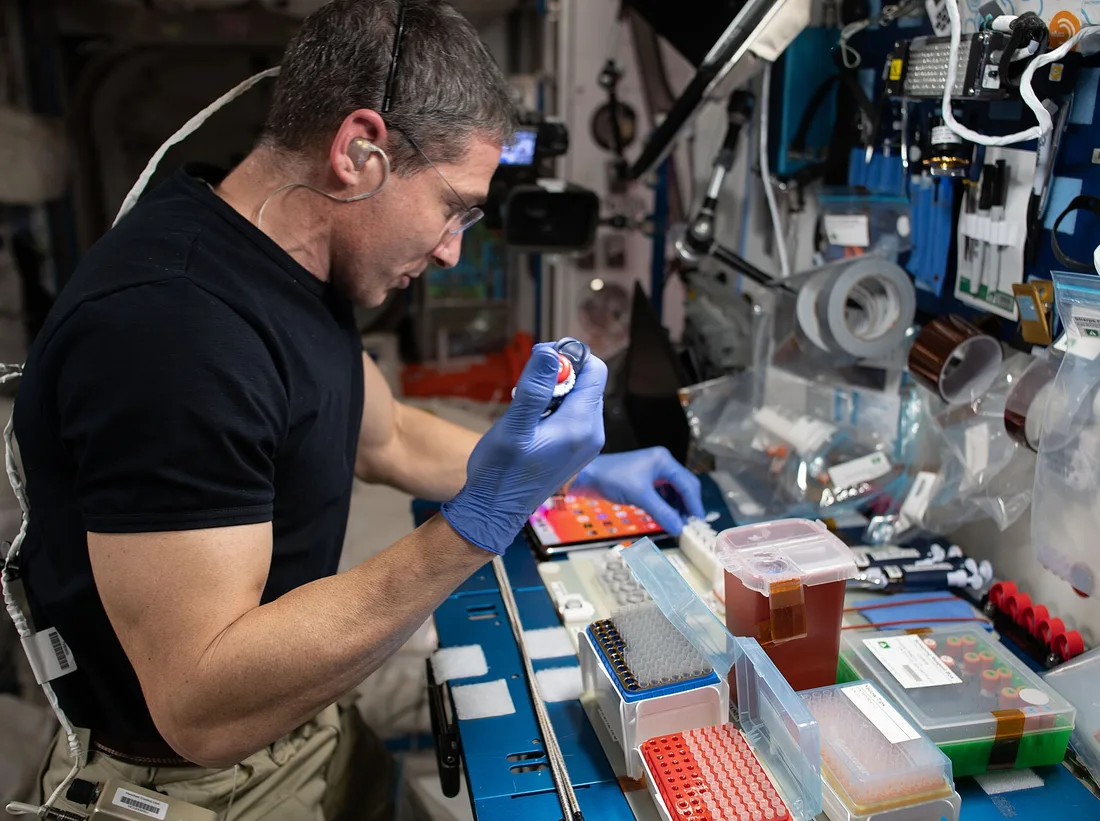
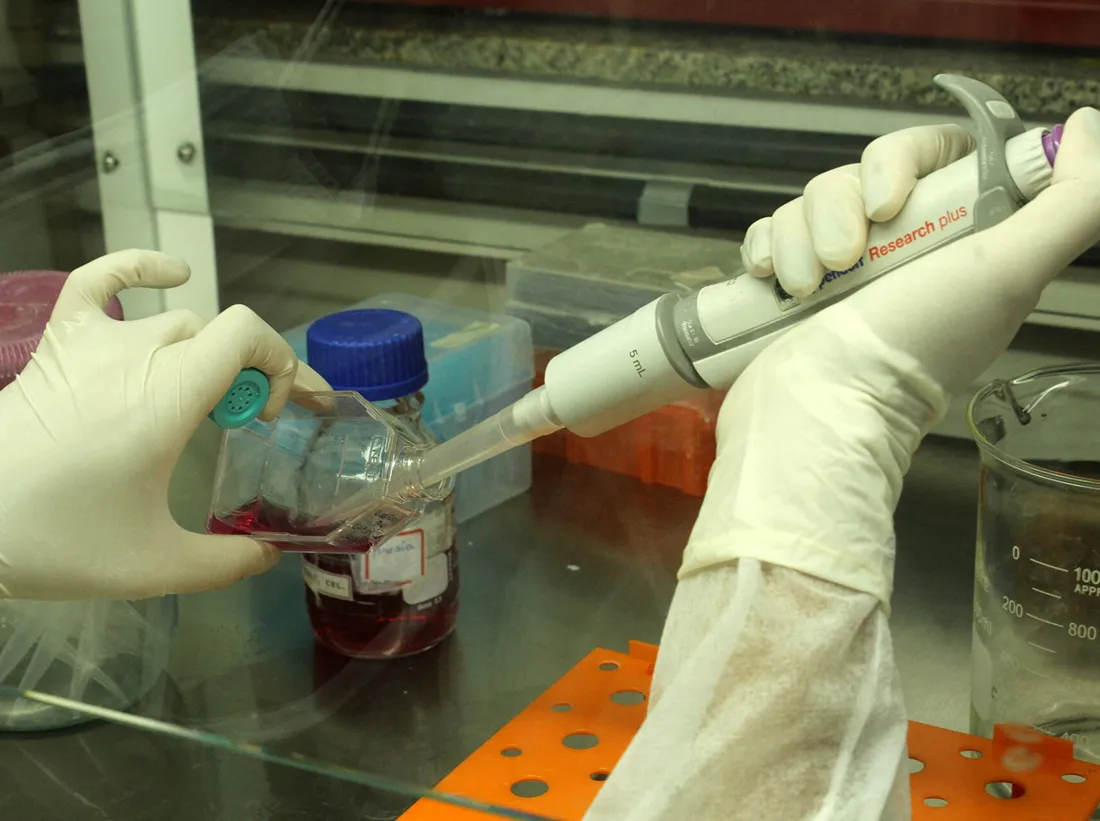
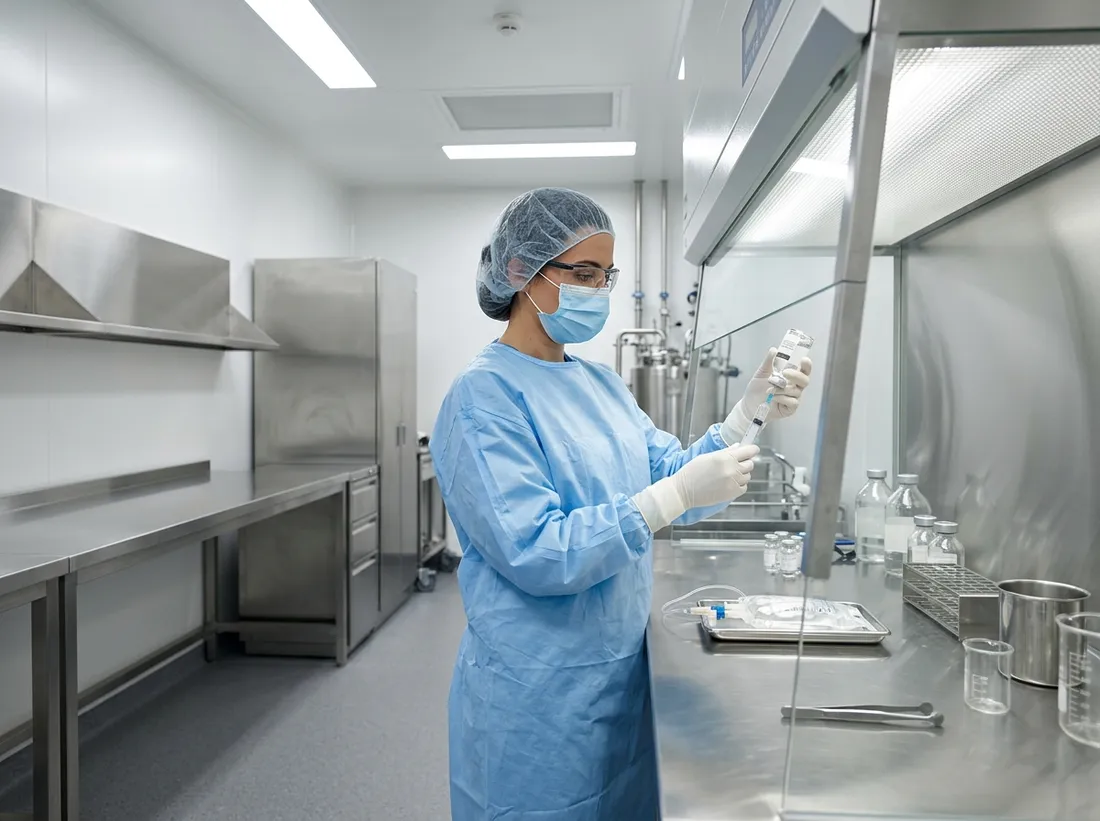
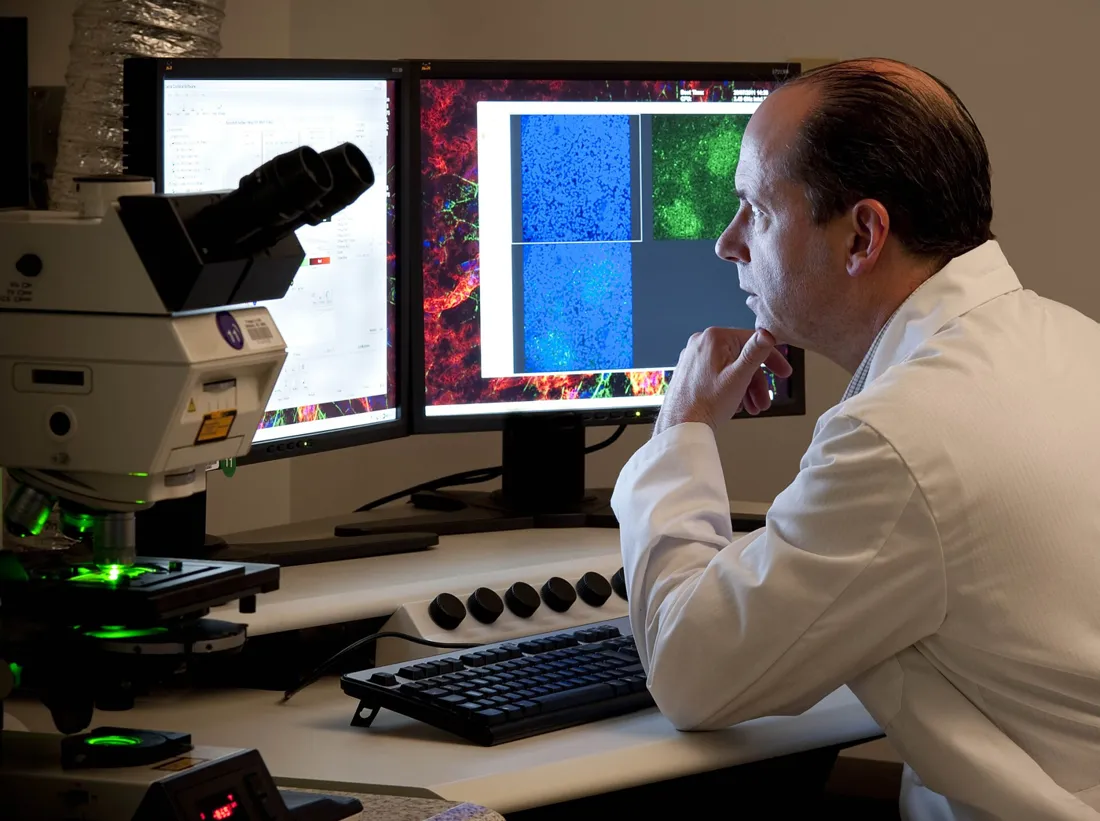
From amino acid to medicine
Six steps behind every peptide medicine.
Amino acids
Peptides are short chains of amino acids, the same 20 building blocks that make up every protein in the body.
Synthesis
Most modern peptides are built one amino acid at a time on a solid resin, a method that earned Bruce Merrifield the 1984 Nobel Prize in Chemistry.
Purification
High-performance liquid chromatography (HPLC) separates the target peptide from fragments and by-products.
Identity
Mass spectrometry weighs the molecule to confirm it is exactly the sequence that was intended.
Structure
X-ray crystallography, NMR and AI tools such as AlphaFold reveal how the chain folds in three dimensions.
Medicine
Only products that pass clinical trials and FDA review become approved medicines, such as insulin, semaglutide and tirzepatide.
Real molecular structure
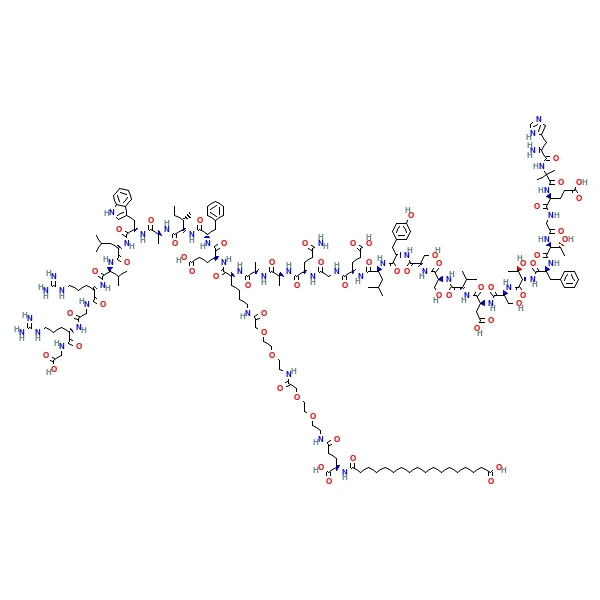
The molecule: Tirzepatide
Drag to rotate. Every atom and bond below comes from the public PubChem database of the U.S. National Institutes of Health; nothing is drawn by AI.
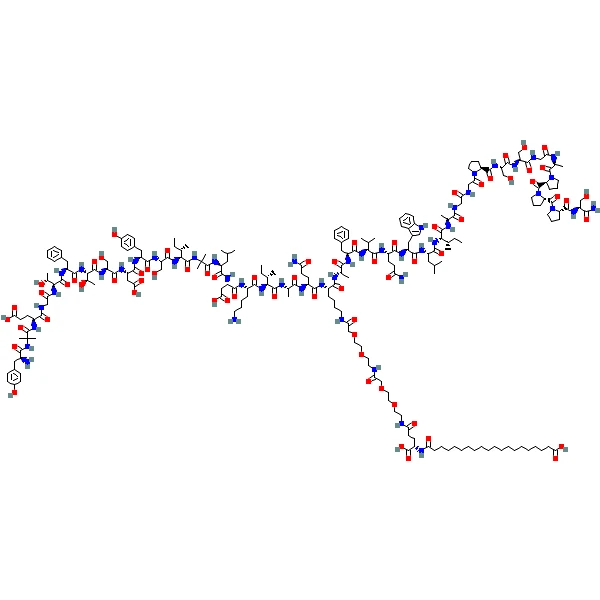
- Formula
- C225H348N48O68
- Molar mass
- 4,813.0 g/mol
- Heavy atoms
- 341
- PubChem CID
- 166567236 ↗
Source: PubChem, National Library of Medicine (public domain).
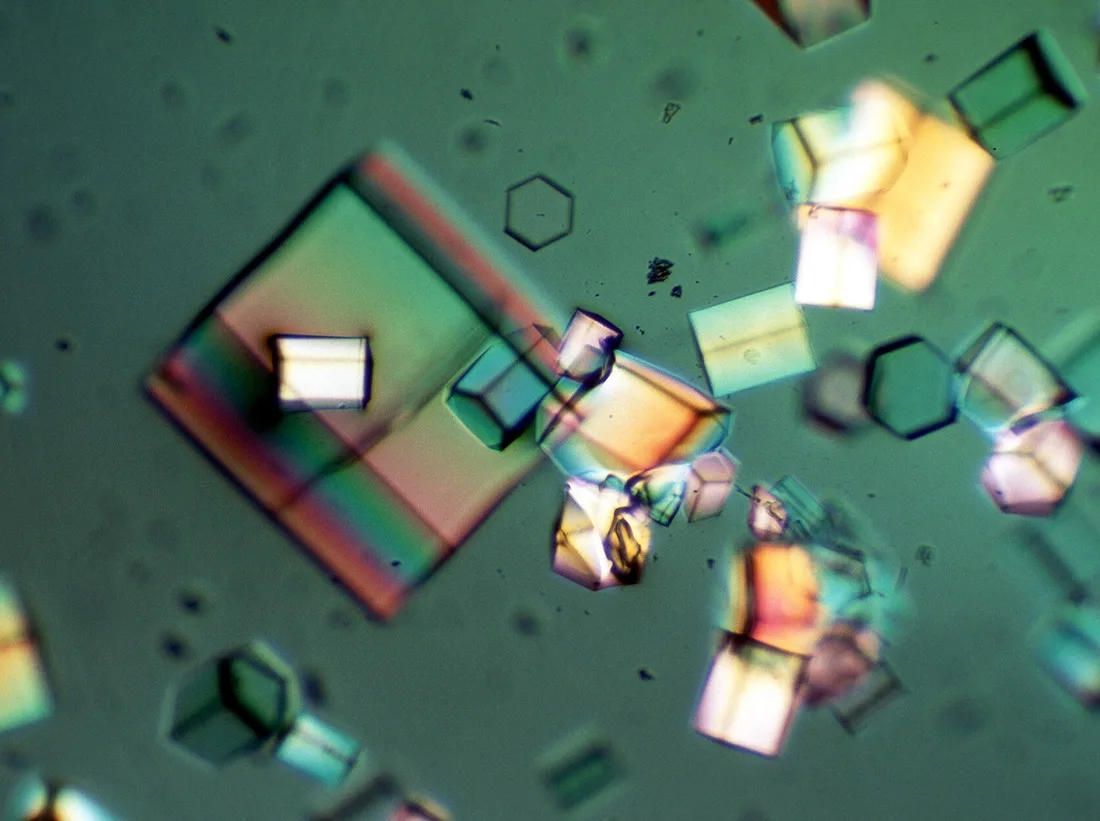
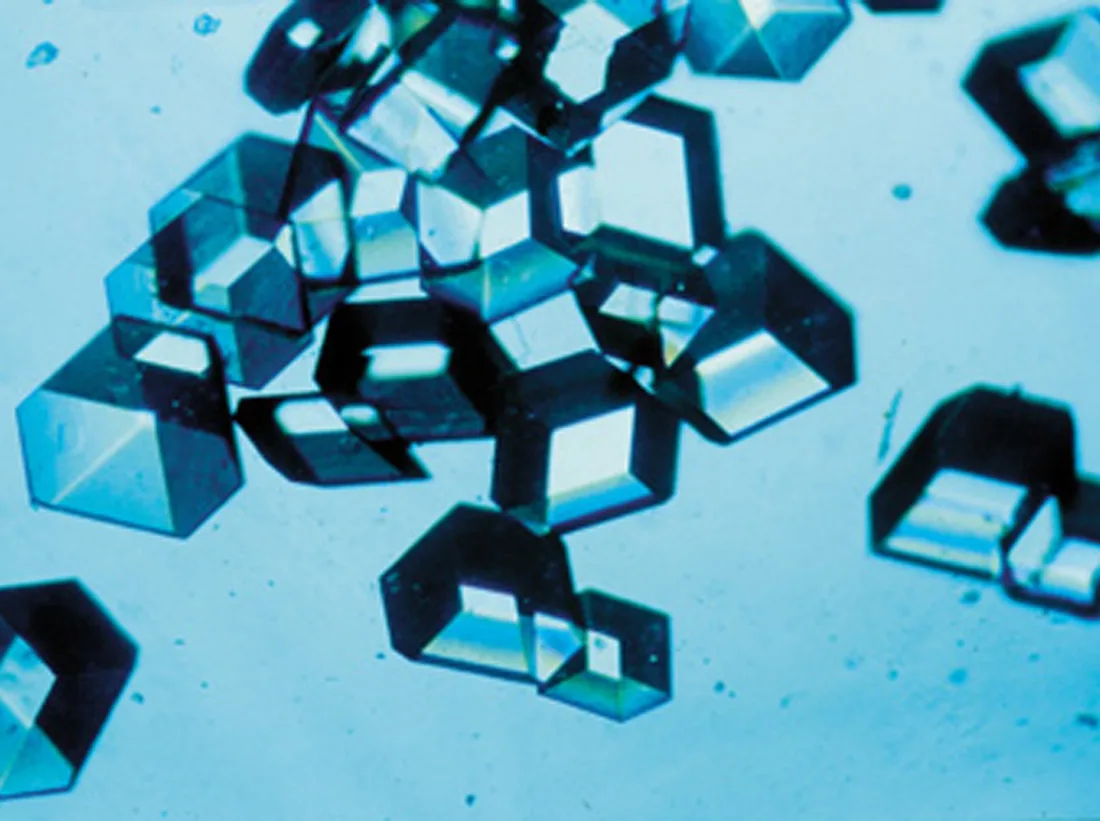
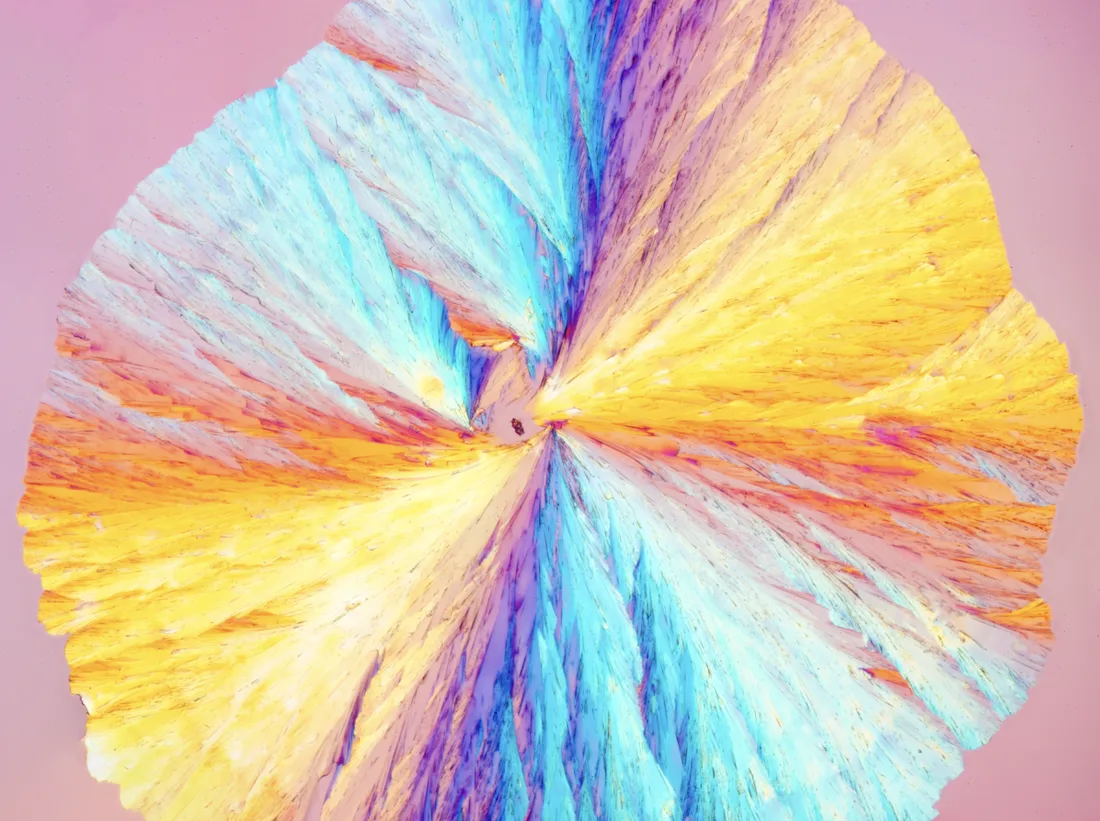
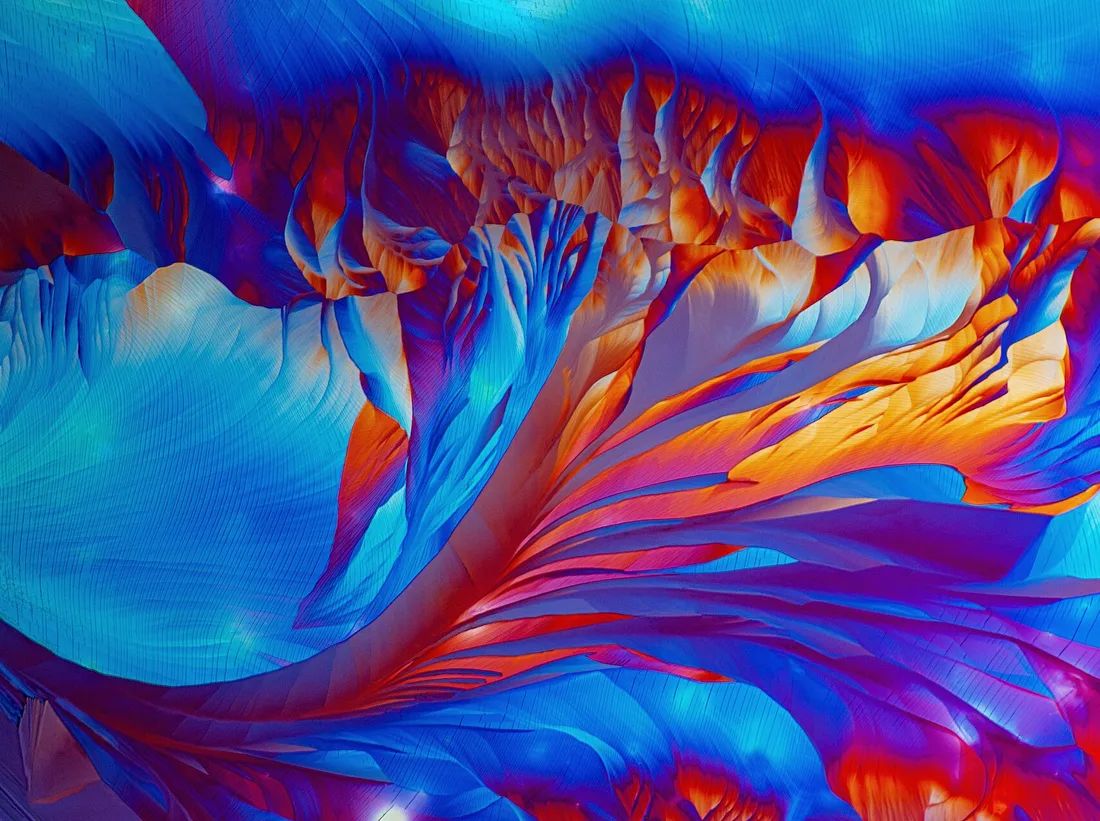
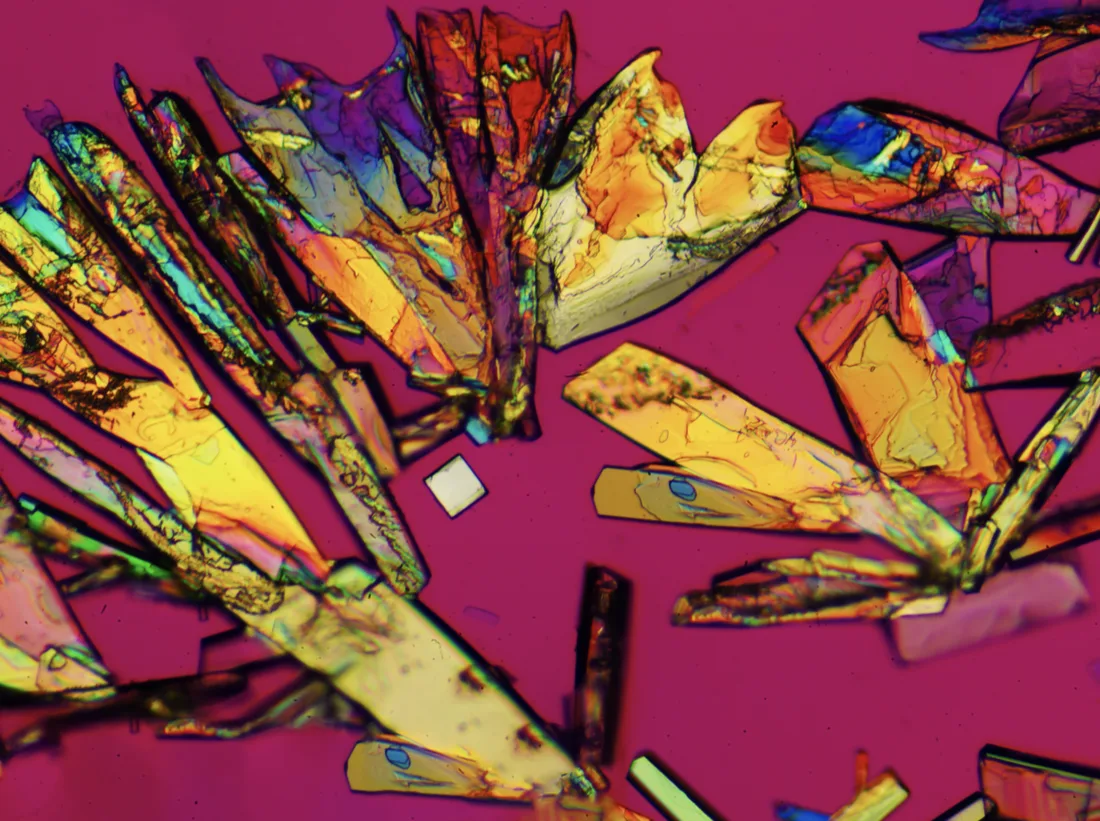
Under the microscope
What amino acids and peptides look like as crystals.
Real micrographs. Under polarized light, crystals split light into colors, one of the ways scientists study how molecules pack together.
Molecule gallery
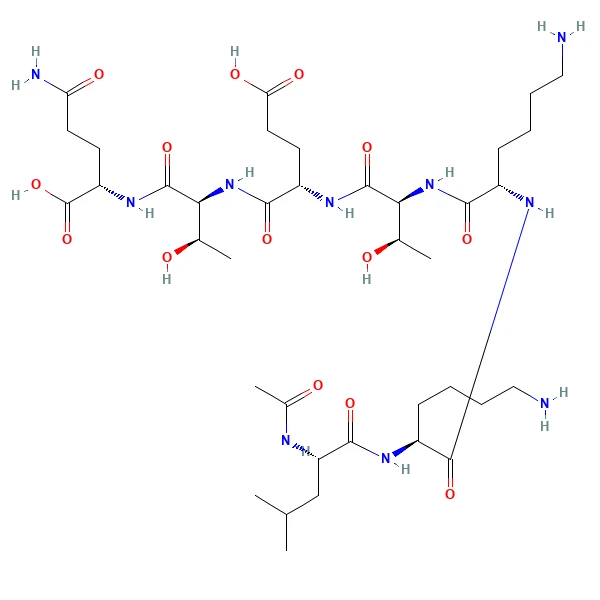
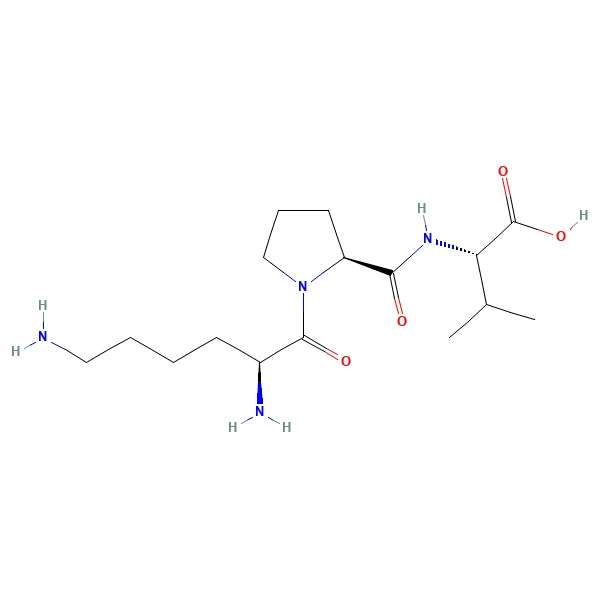
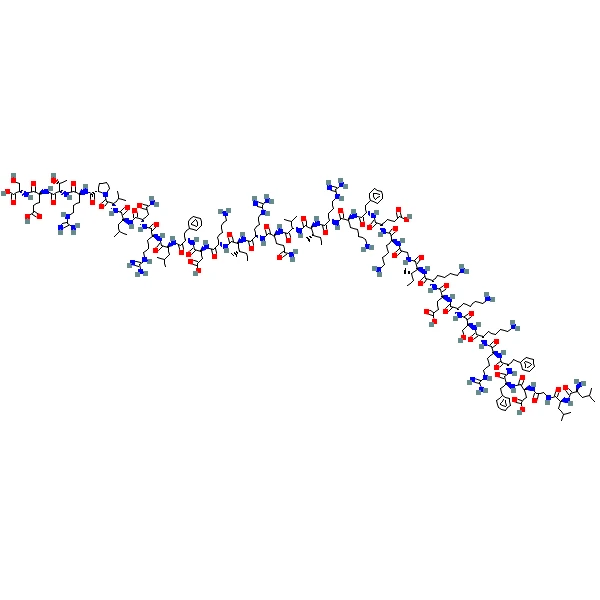
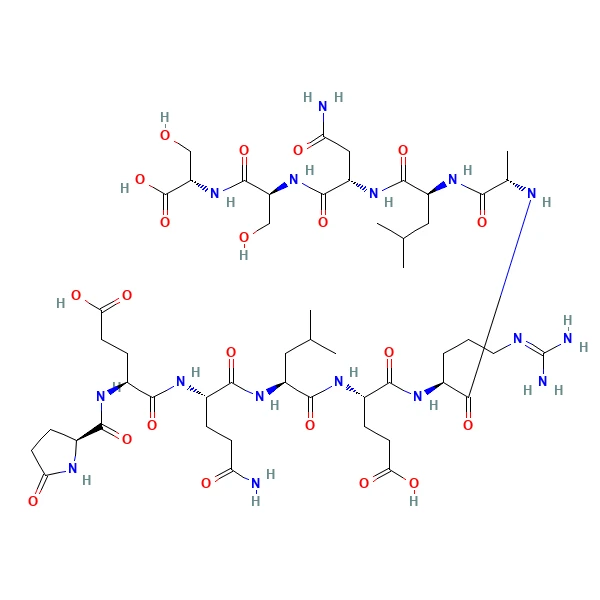
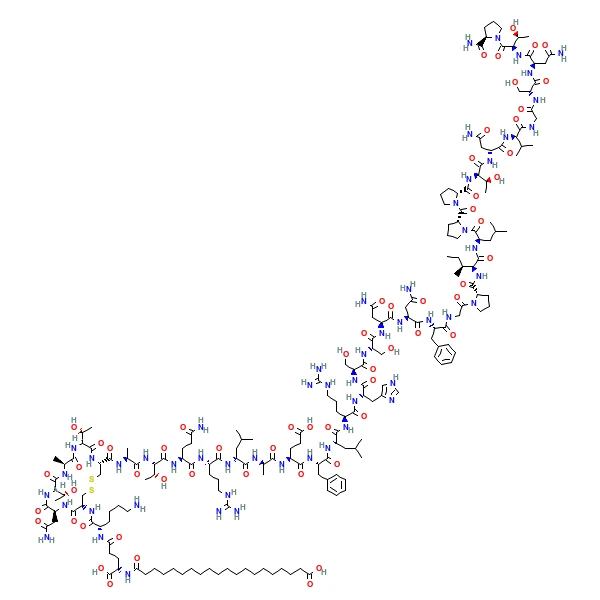
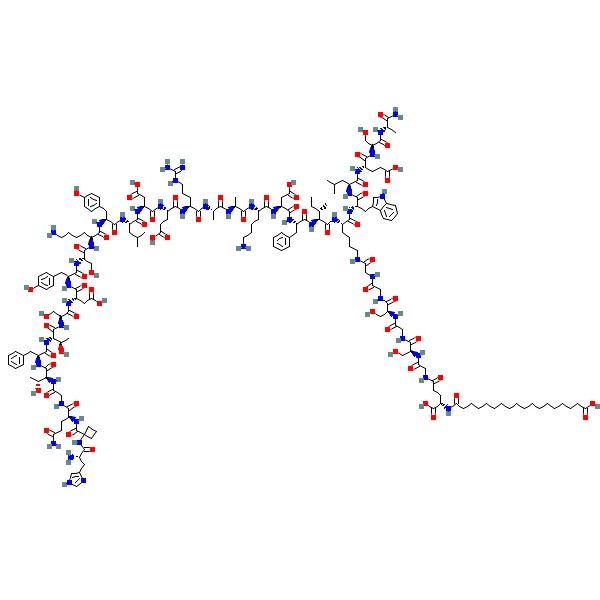
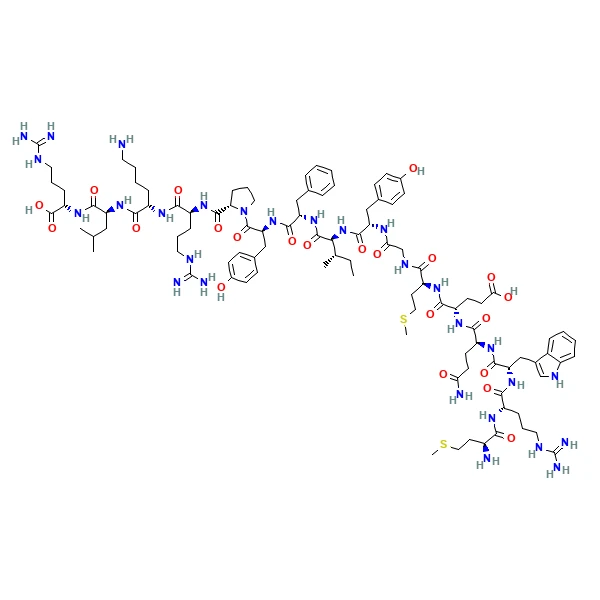
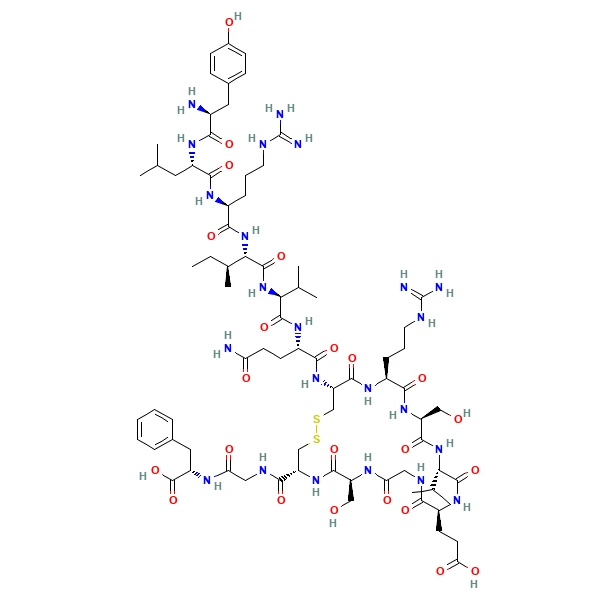
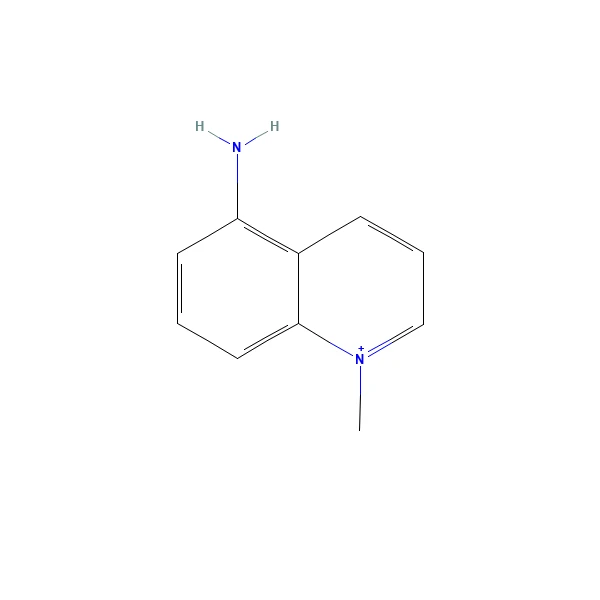
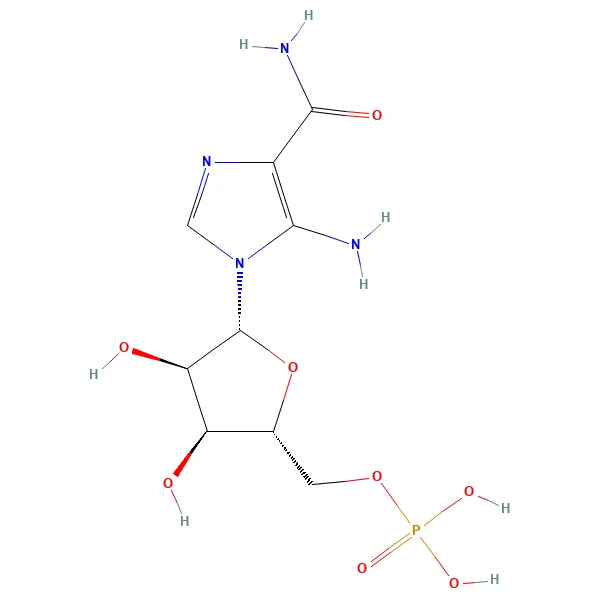
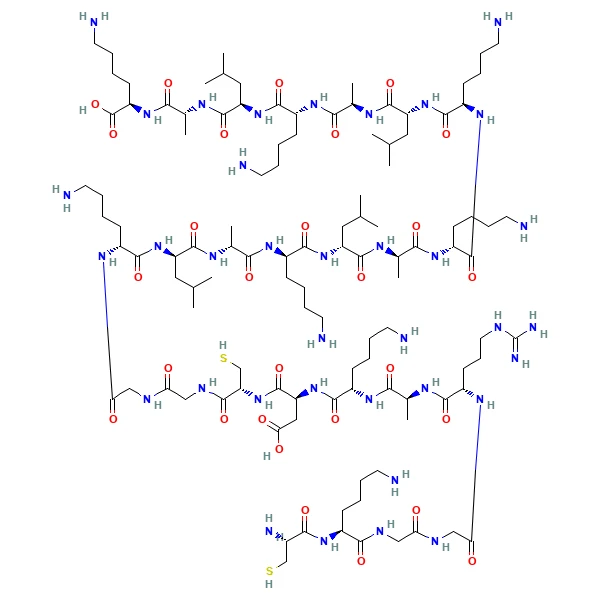
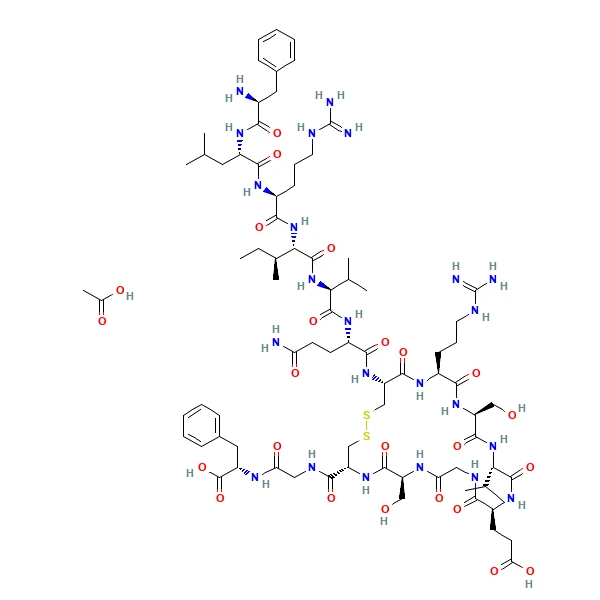
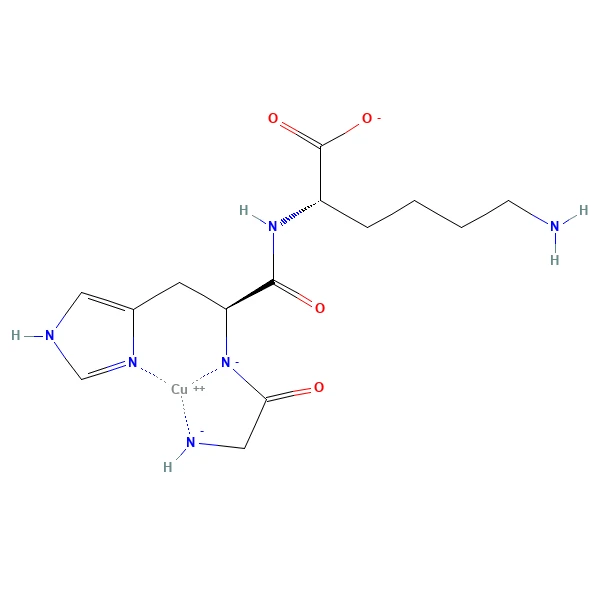
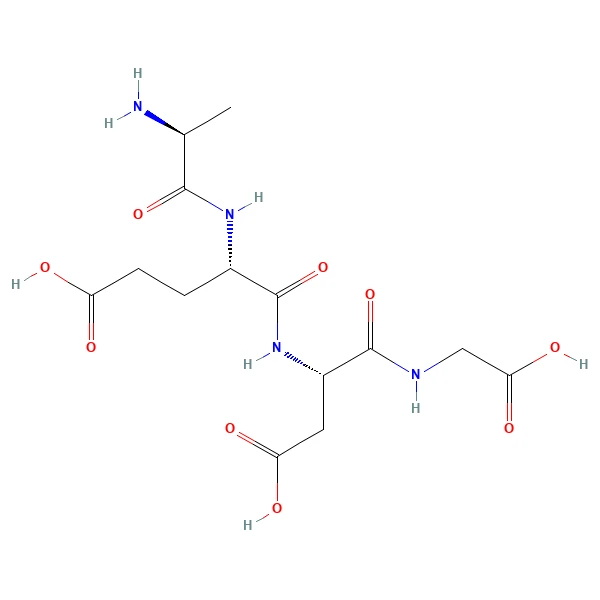
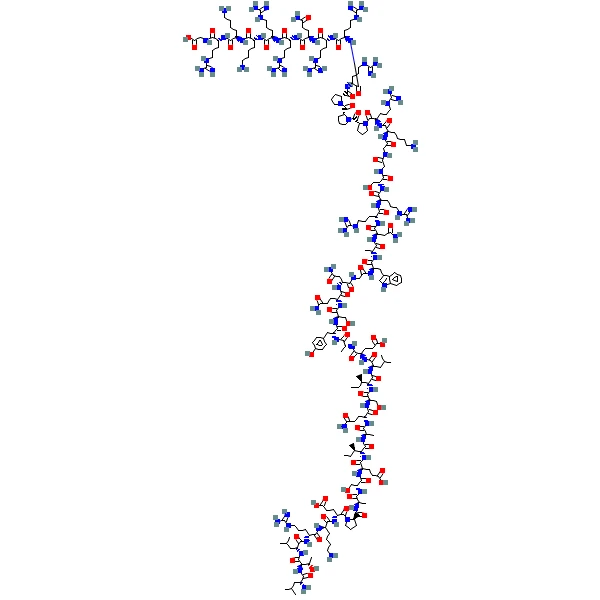
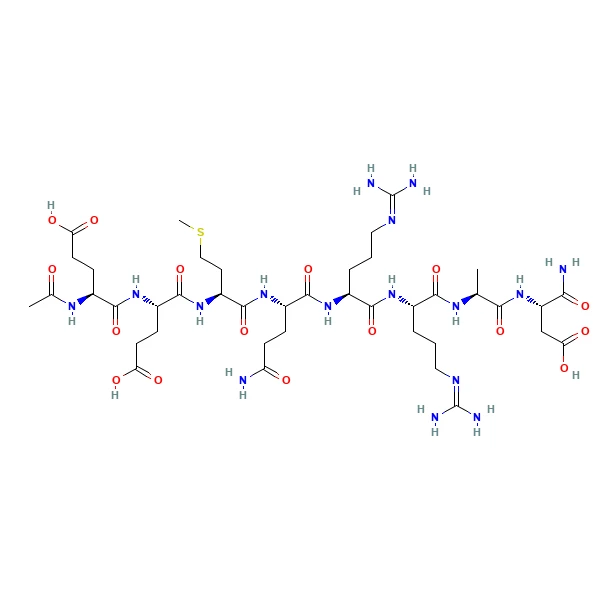
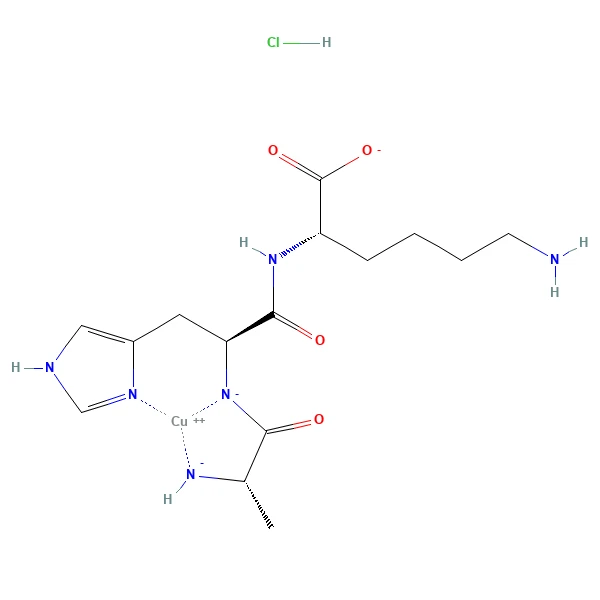
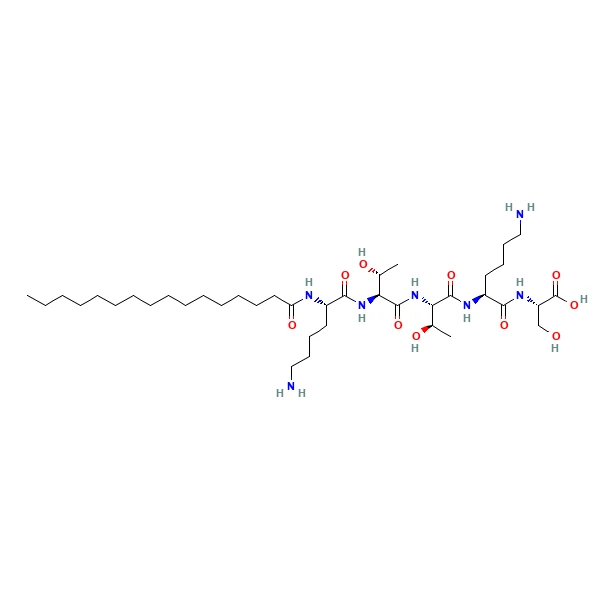
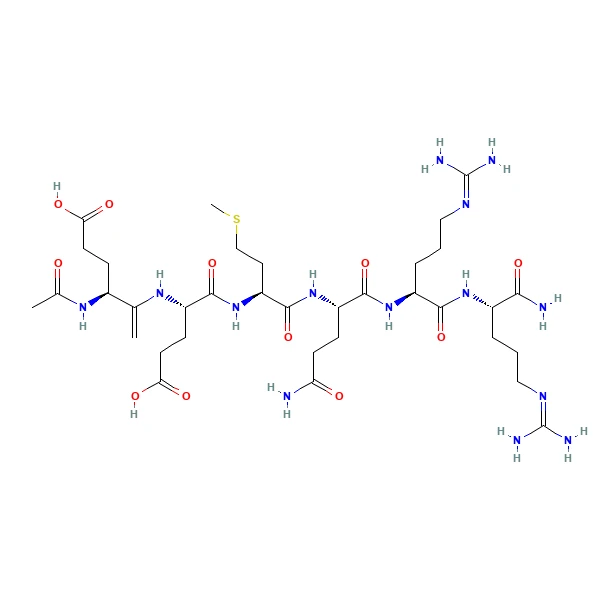
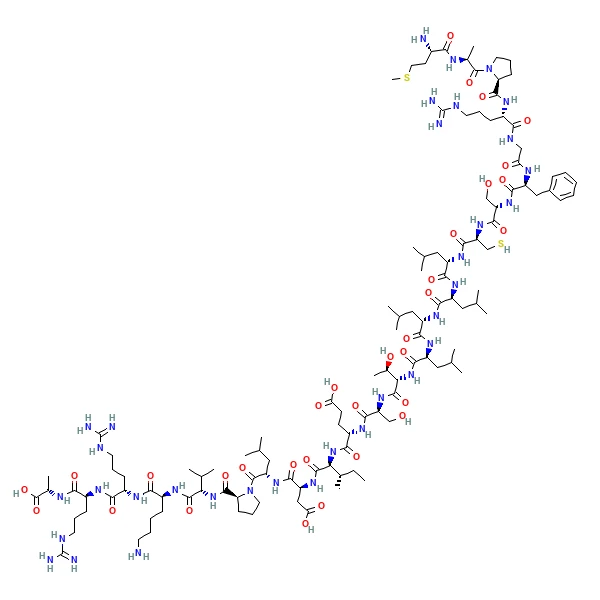
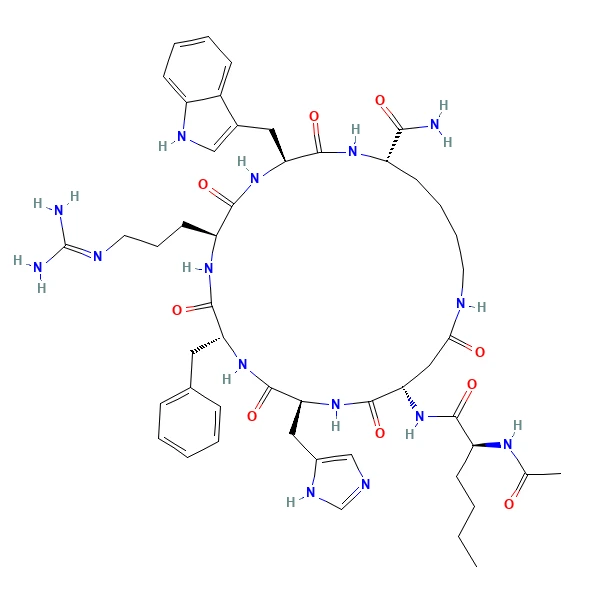
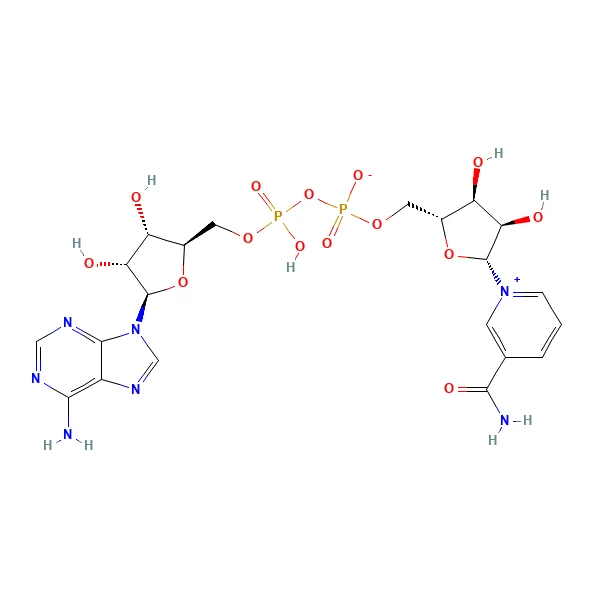
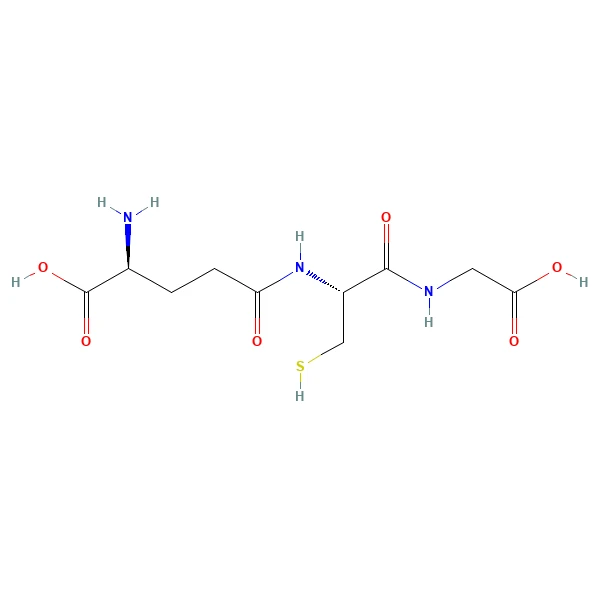
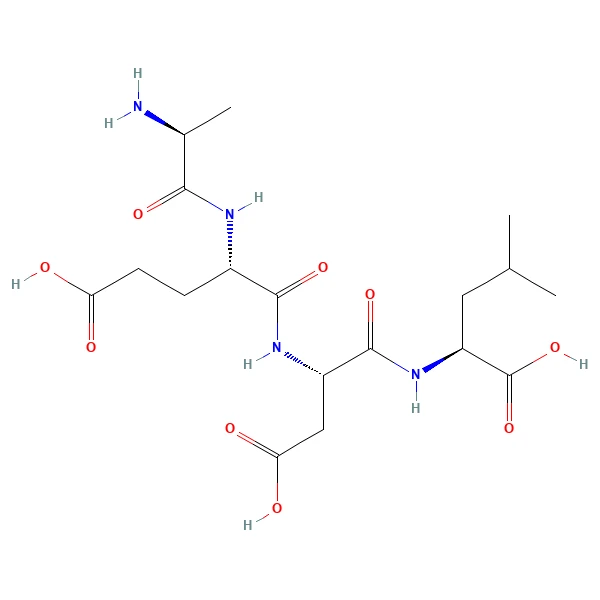
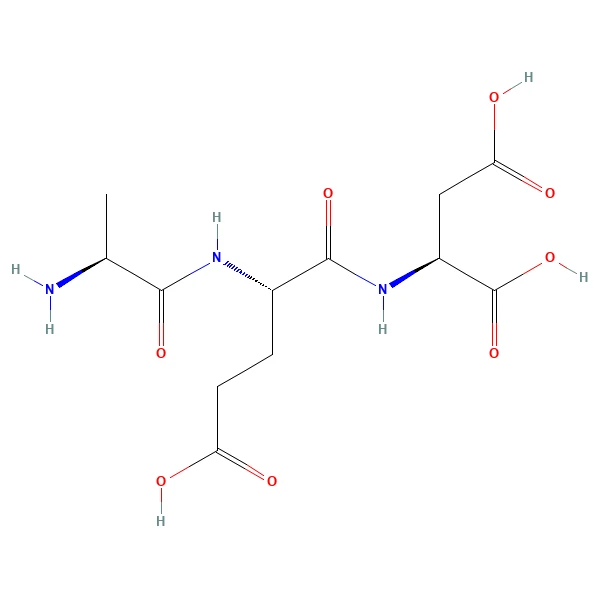
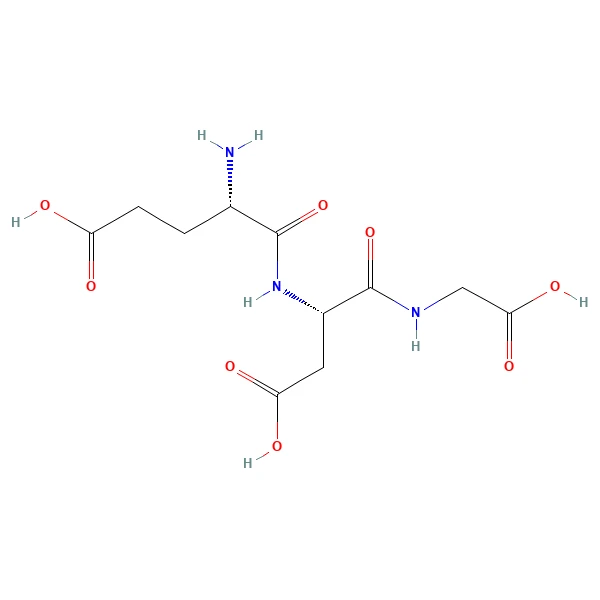
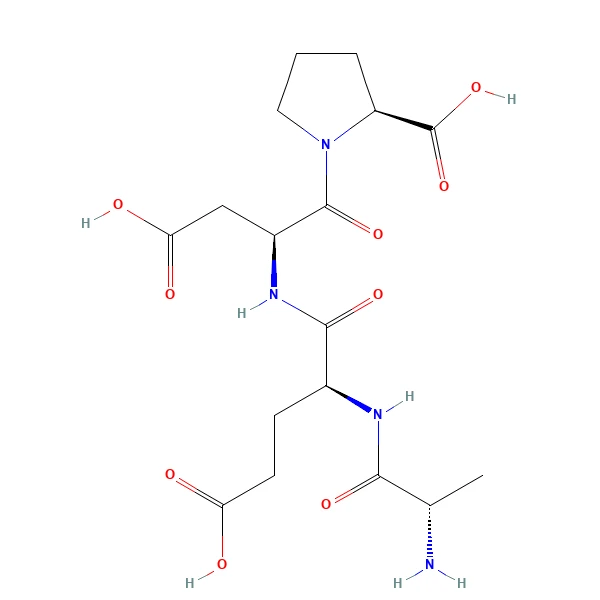
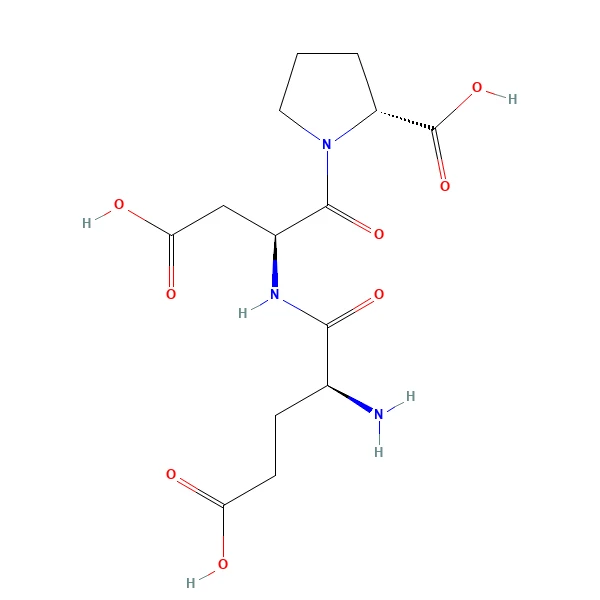
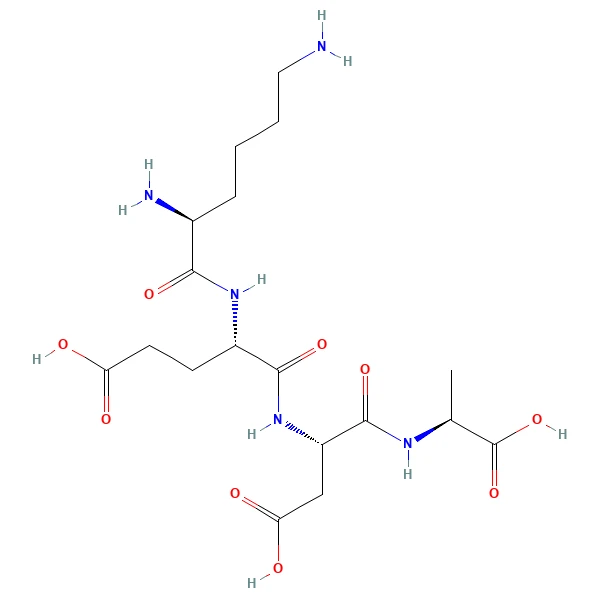
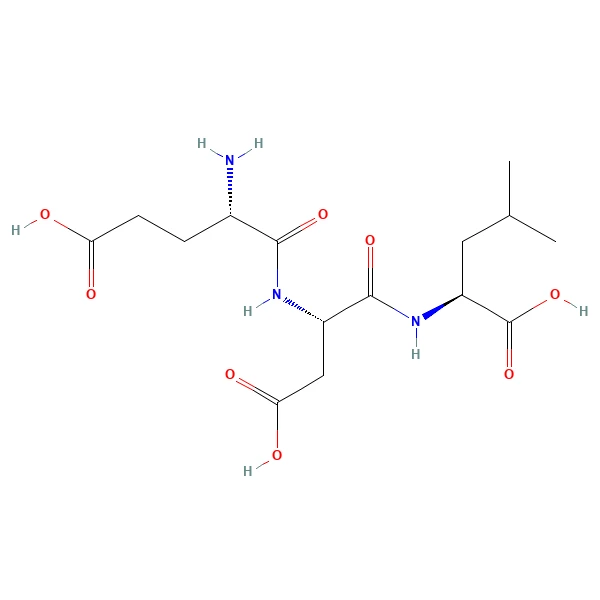
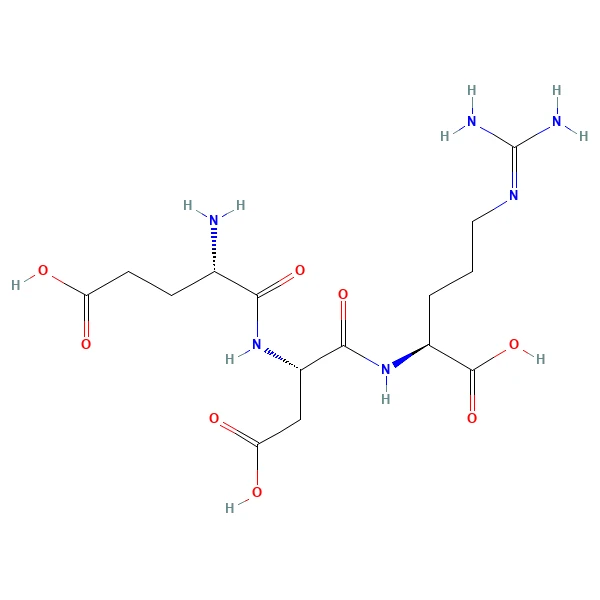
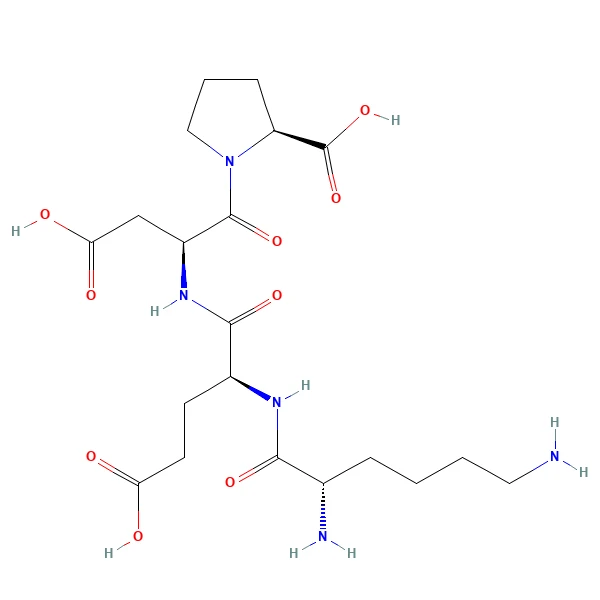
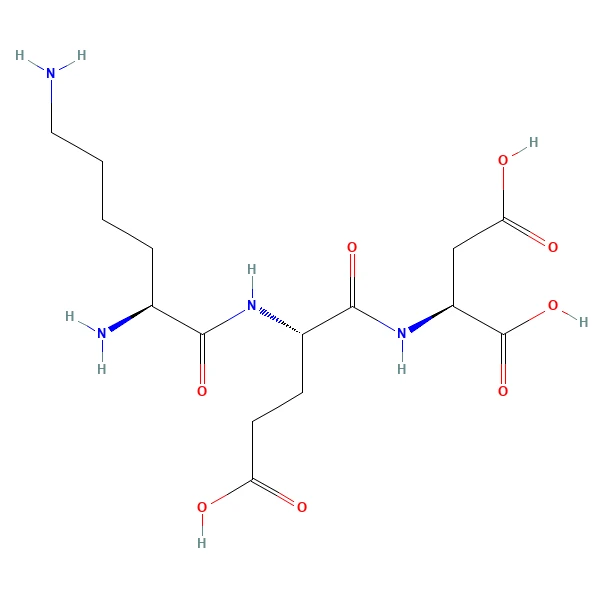
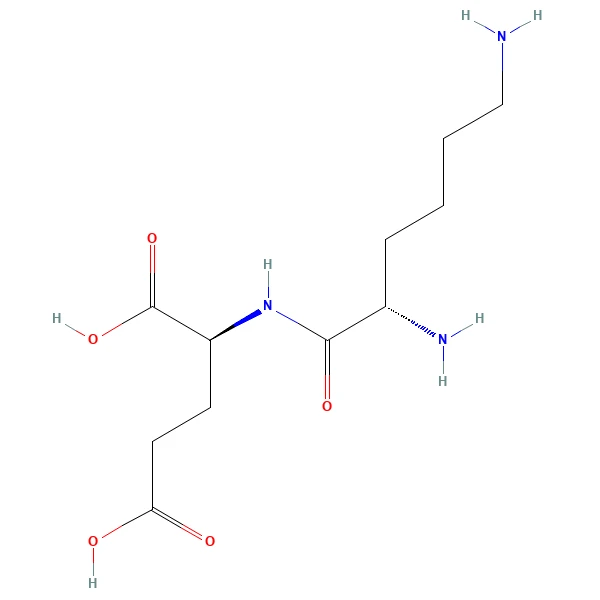
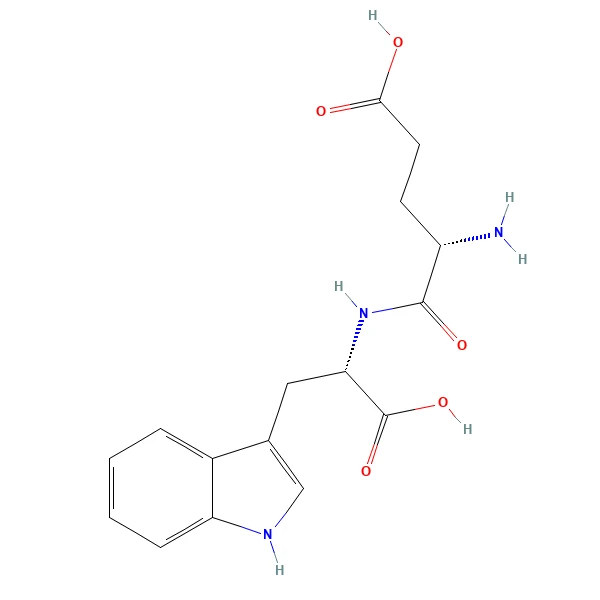
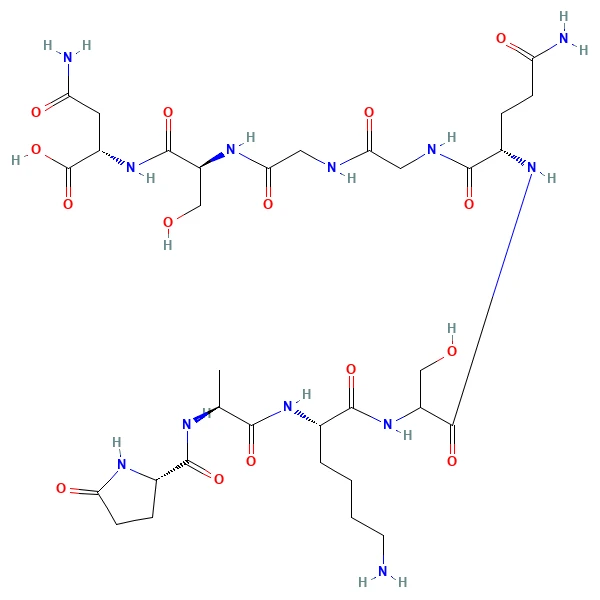
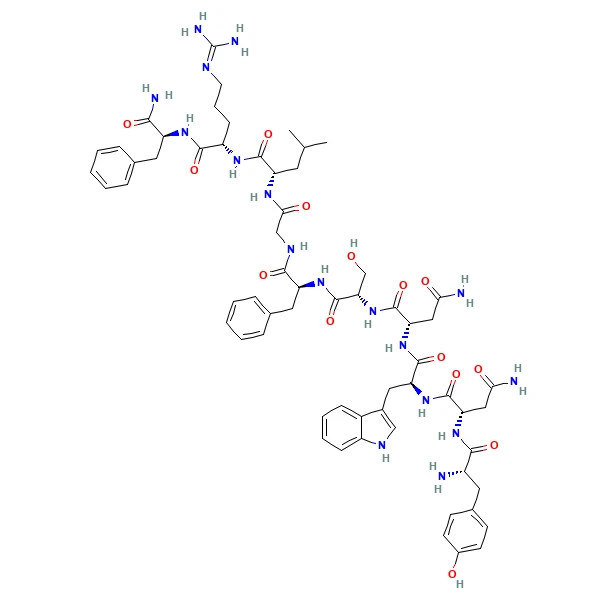
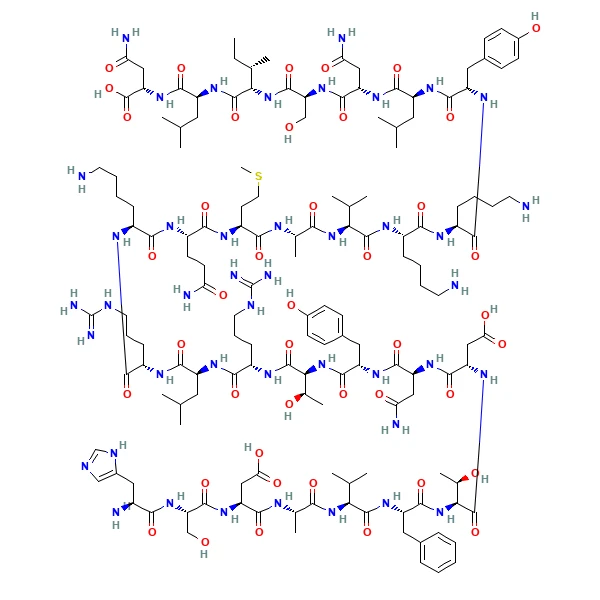
Every structure on this site, from PubChem.
Rx marks the prescription treatments our doctors can prescribe. The others are profiles in our research library and are not sold.
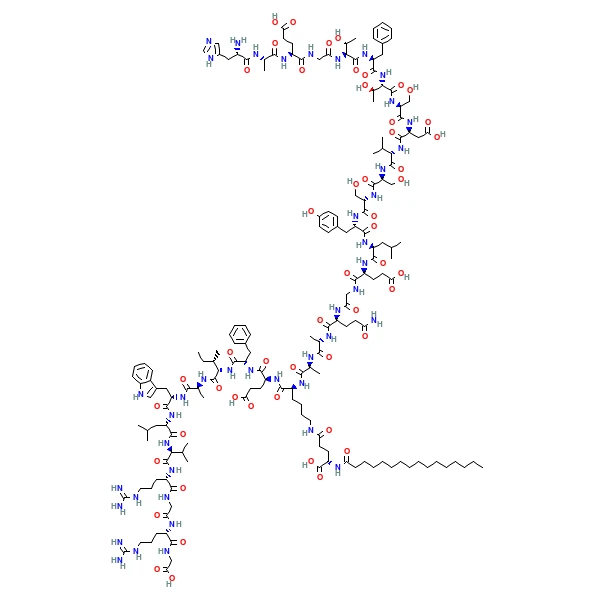
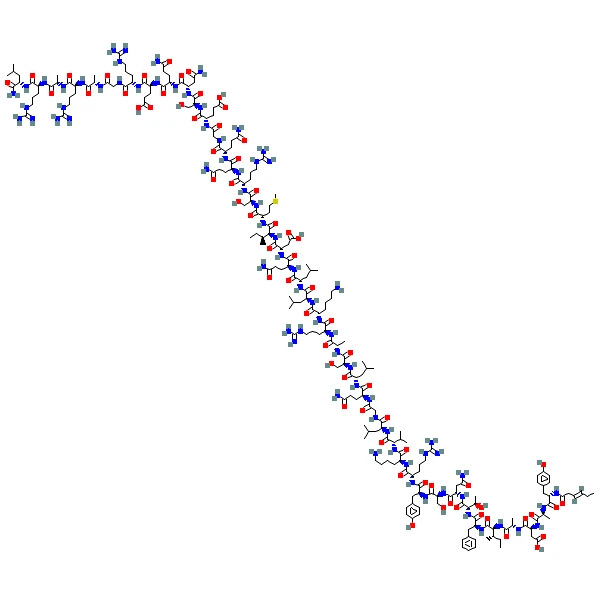
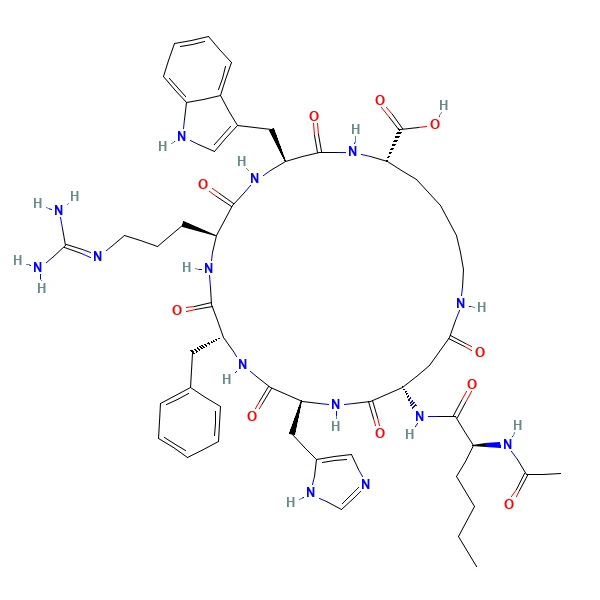
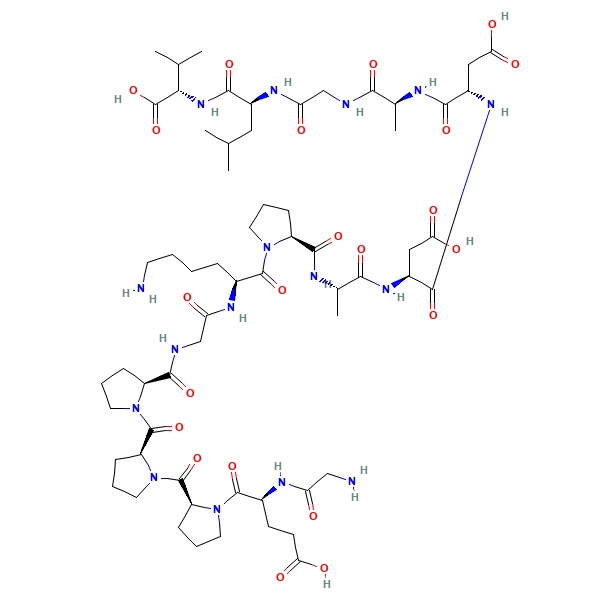
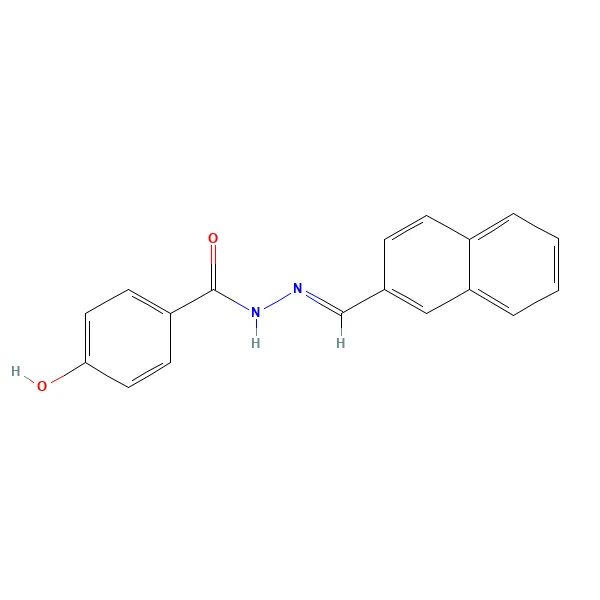
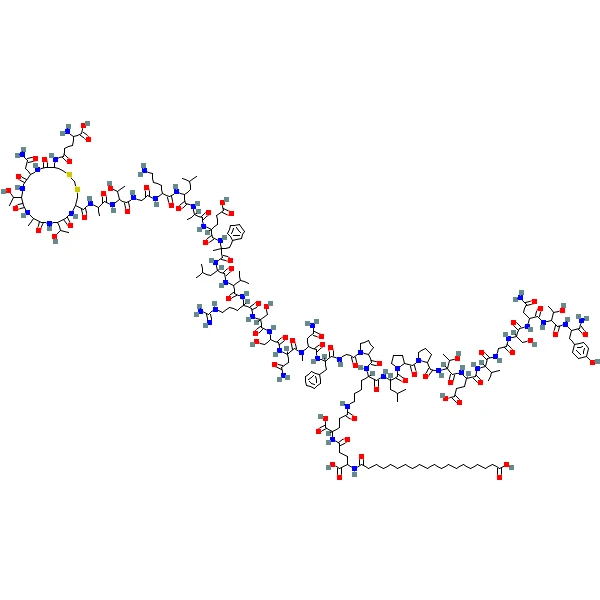
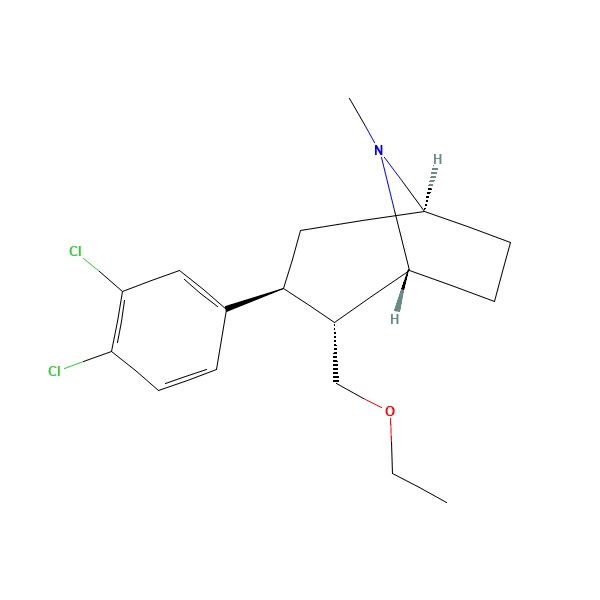
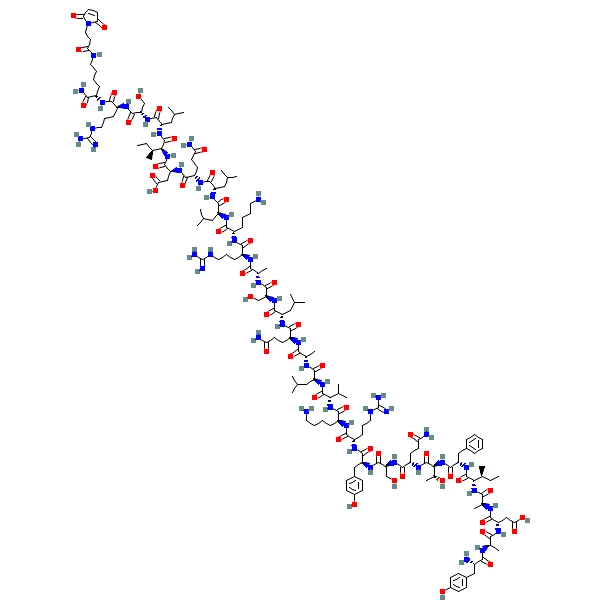
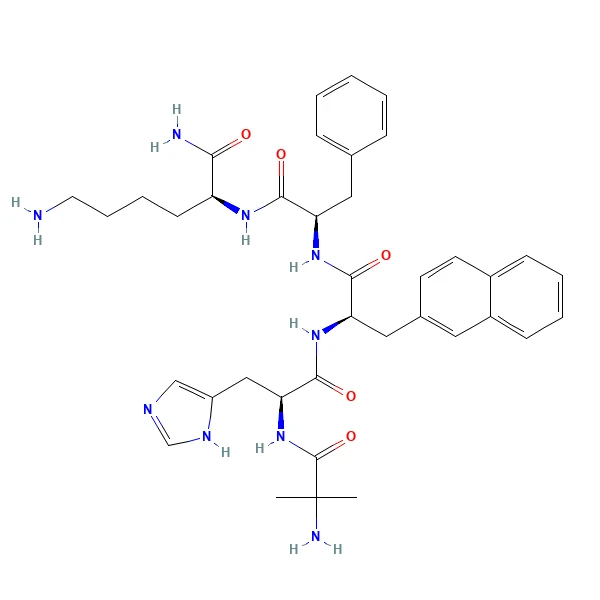
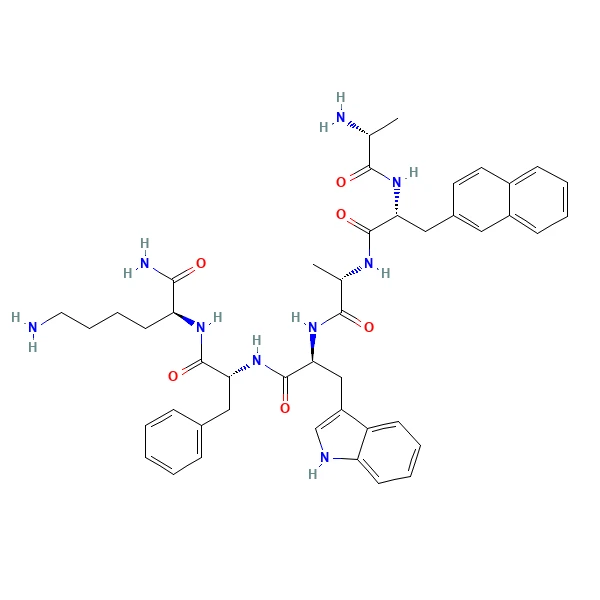
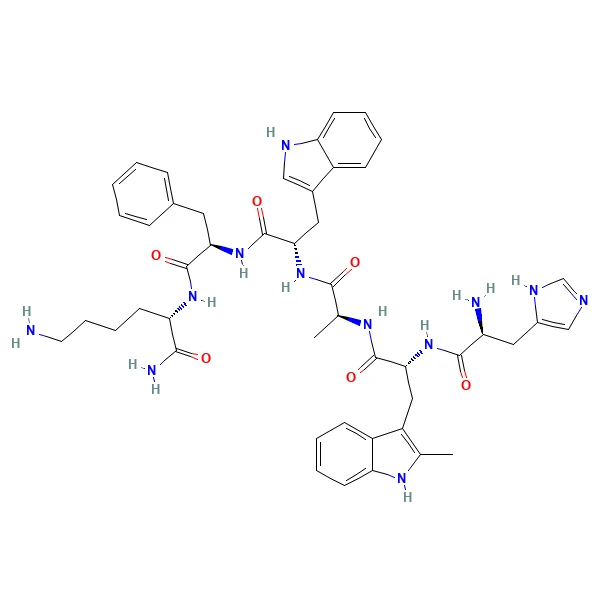
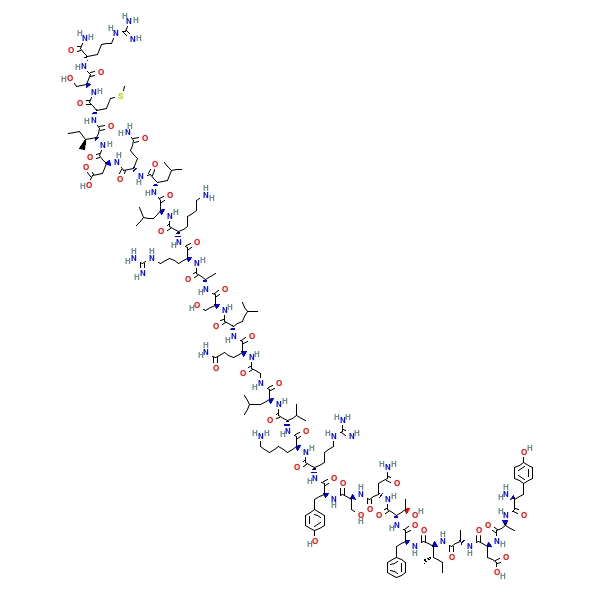
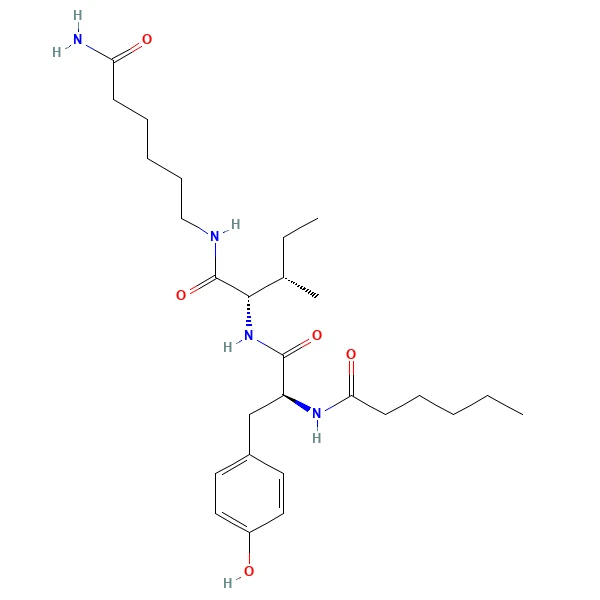
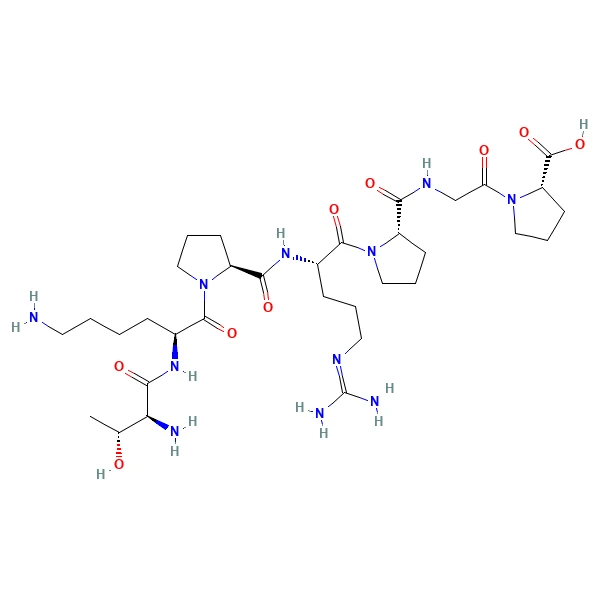
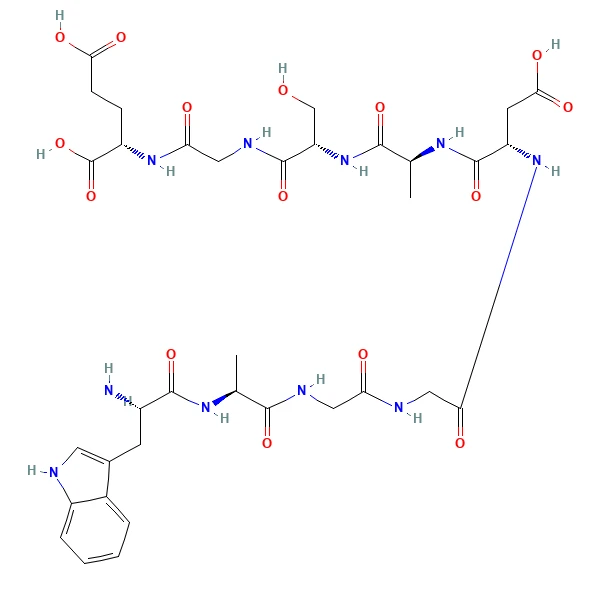
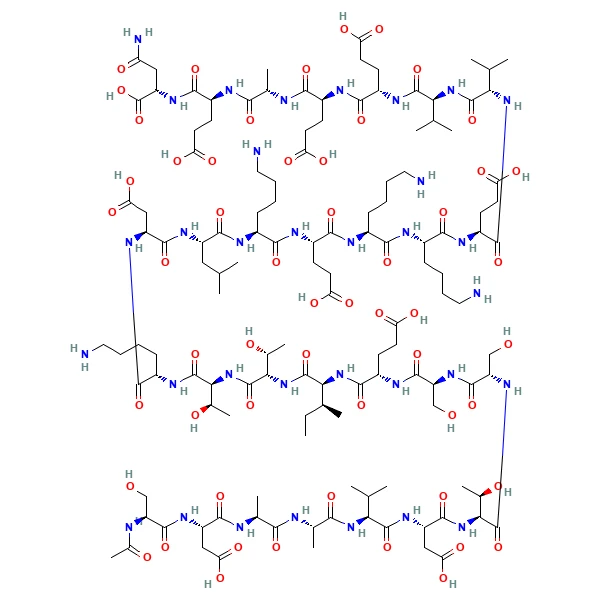
Watch & learn
Watch the science
Independent videos from doctors, hospitals and health educators on YouTube. They are for general education; your doctor gives the instructions for your treatment.
Peptide bond formation | Macromolecules | Biology | Khan Academy
Khan Academy · YouTubeProtein Synthesis: Transcription and Translation (Updated)
Amoeba Sisters · YouTubeFrom DNA to protein - 3D
yourgenome · YouTubeAlphaFold: The making of a scientific breakthrough
Google DeepMind · YouTubeInsulin Receptor and Type 2 Diabetes
WEHImovies · YouTubeGLP-1 and Gut Hormone Blood Patterns in Response to Meals | Discovery Forum at UC Davis
UC Davis Health · YouTubeMethods for Determining Atomic Structures: X-ray Crystallography (from PDB-101)
RCSBProteinDataBank · YouTubeAn Introduction to the What, Why and How of Mass Spectrometry
SCIEX · YouTubeFundamentals of HPLC 1.What is HPLC?
Shimadzu Analytical and Measuring Instruments · YouTubeIntroduction To The FMOC Approach: solid phase peptide syntheses
Kevin Burgess · YouTubeInsulin's impact: The story behind the 1923 Nobel Prize in Physiology and Medicine
Nobel Prize · YouTubeEducational information only; not medical advice. Structures: PubChem, U.S. National Library of Medicine (public domain). Photos: see credits.
Talk to a real person today.
No forms, no checkout. Message us on WhatsApp or call, and our team will guide you through the next step.