
Updated 2026-10-10 · Reviewed for accuracy by the EKO Labs team. Educational only; not medical advice.
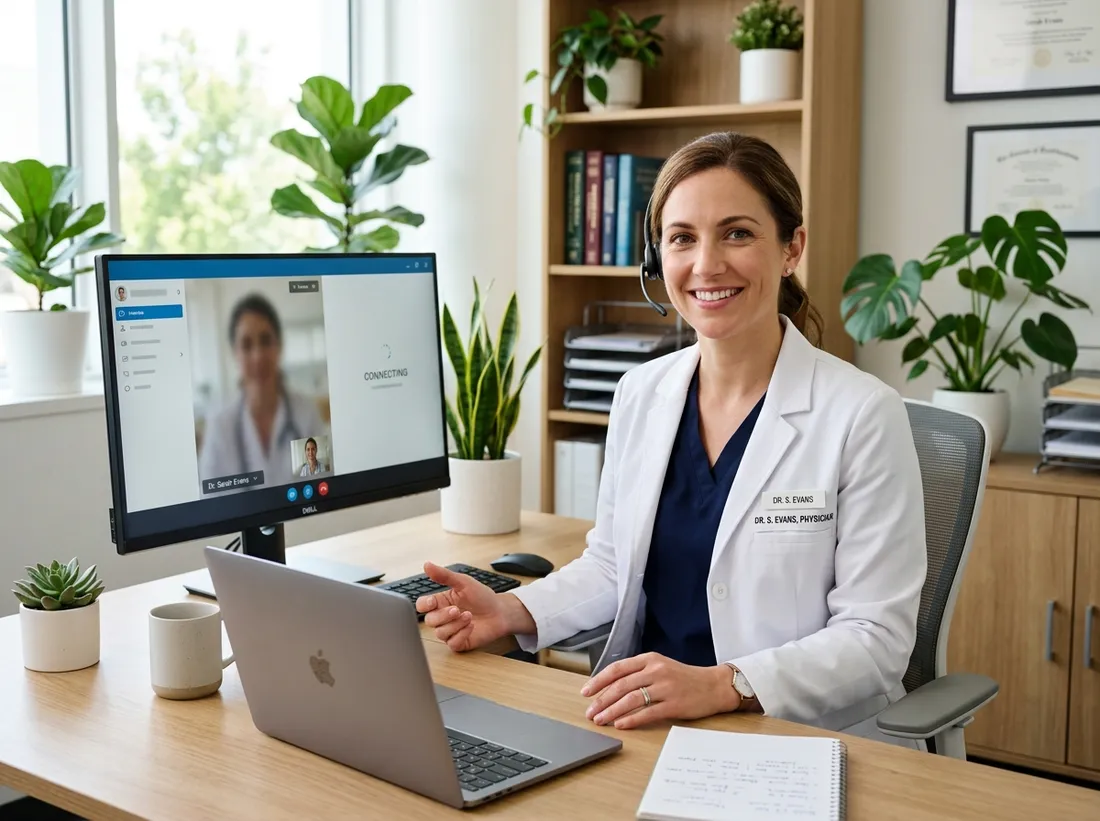
Many people in the U.S. get prescription medicines delivered from an online pharmacy or through a telehealthTelehealth a medical visit by video or phone. service. Most of this is legal and convenient, but some websites only look like pharmacies and sell medicines that can be fake, contaminated or dangerous. This guide sums up the U.S. Food and Drug Administration (FDA) advice from its BeSafeRx campaign so you can check a pharmacy before you use it. It is general information, not medical or legal advice.
If you think you took a fake or contaminated medicine and feel unwell, call your doctor. In an emergency, call 911. For a possible poisoning, call Poison Help at 1-800-222-1222.
Why it matters
FDA says that medicines sold by unsafe websites may contain the wrong ingredient, too little, too much or no active ingredient at all, or other harmful ingredients. Citing the National Association of Boards of Pharmacy, FDA notes that at any given time there are roughly 35,000 active online pharmacies and only about five percent of them follow U.S. pharmacy laws and practice standards. Unsafe sites can also misuse your personal and financial information.
Signs of a safe online pharmacy
According to FDA, an online pharmacy is likely safe if it:
- always requires a valid prescription from a licensed health care professional;
- gives a physical address and telephone number in the United States;
- has a licensed pharmacist available to answer your questions;
- is licensed by the state board of pharmacy in your state (and in the state where the pharmacy operates).
Warning signs of an unsafe website
FDA lists these red flags. Be careful if a website:
- sells prescription medicine without a prescription;
- is not licensed in the United States or by your state board of pharmacy, is located outside the U.S., or says the medicine will ship from another country;
- has no licensed pharmacist to answer questions;
- offers deep discounts or prices that seem too good to be true;
- sends spam emails or unsolicited messages offering cheap medicine;
- sends medicine that looks different from what you usually get, or arrives in broken or damaged packaging, in a foreign language, with no expiration date or already expired;
- charges you for products you never ordered or received;
- has no clear written protection of your personal and financial information, or sells it.
Extra red flags for GLP-1 medicines and telehealth
Because of high demand for GLP-1GLP-1 (glucagon-like peptide-1) a hormone the gut releases after eating. It helps release insulin, slows stomach emptying and signals fullness. medicines such as semaglutide and tirzepatide, FDA has published specific warning signs for telehealth companies. Be careful if a company:
- claims a compounded drug is the same as an FDA-approved drug (compounded drugs are not FDA-approvedFDA-approved the FDA reviewed the medicine's safety and effectiveness for a specific use.);
- does not require a screening and a prescription by a licensed doctor before sending medicine;
- has no licensed doctor available to answer questions after you receive your medicine;
- sends medicine that looks different from what was pictured, arrives damaged or lacks instructions for use;
- has spelling errors on the labelPrescribing information (label) the official FDA document for a medicine, with its uses, warnings and side effects., gives an incorrect pharmacy address, or uses a pharmacy name you think may be fake;
- offers prices that seem too good to be true.
FDA also advises that compounded medicines should only be used when a patient’s medical needs cannot be met by an FDA-approved drug, and that patients should get a prescription from their doctor and fill it at a state-licensed pharmacy. See our guide on brand-name vs. compounded medicines for more.
How to check a pharmacy’s license
- Find the full legal name and address of the pharmacy that will fill your prescription. A telehealth website and the pharmacy that ships the medicine are often different companies, so ask which pharmacy it is.
- Look the pharmacy up in your state board of pharmacy license database. FDA’s BeSafeRx page “Locate a State-Licensed Online Pharmacy” links to the database for every state, Washington, D.C., Guam, Puerto Rico and the U.S. Virgin Islands.
- If the pharmacy is not listed, FDA says you should not use it. If it is listed, also confirm that it requires a prescription, has a U.S. address and phone number, and has a licensed pharmacist you can talk to.
When your medicine arrives
- Compare the name, strength and pharmacy information on the label with your prescription (see our guide on how to read a U.S. prescription label).
- Check that the package is sealed, not damaged, and has an expiration or beyond-use date and instructions.
- If something looks wrong, do not use it. Call the pharmacy and your prescriber first.
How to report a problem
- Side effects or a product that seems fake, contaminated or defective: report to FDA MedWatch (see our guide on how to report a side effect to the FDA).
- Websites you think are selling medicine illegally: report them to FDA through its online form for reporting unlawful sales of medical products on the internet.
Questions to ask any online pharmacy or telehealth service
- What is the name of the pharmacy that will fill my prescription, and in which states is it licensed?
- Will a licensed doctor review my health information before prescribing, and can I reach that doctor later?
- Can I talk to a licensed pharmacist about my medicine?
- Is this medicine FDA-approved, or is it compounded?
- How will the medicine be shipped, and what should I do if the package arrives damaged?
Sources: U.S. Food and Drug Administration, BeSafeRx: “Considering an Online Pharmacy?”, “BeSafeRx: Frequently Asked Questions (FAQs)”, “Locate a State-Licensed Online Pharmacy” and “Know Your Online Pharmacy”; FDA, “FDA’s Concerns with Unapproved GLP-1 Drugs Used for Weight Loss” (all consulted October 2026). This guide is general information, not medical or legal advice.
Talk to our team. A licensed doctor makes every medical decision.